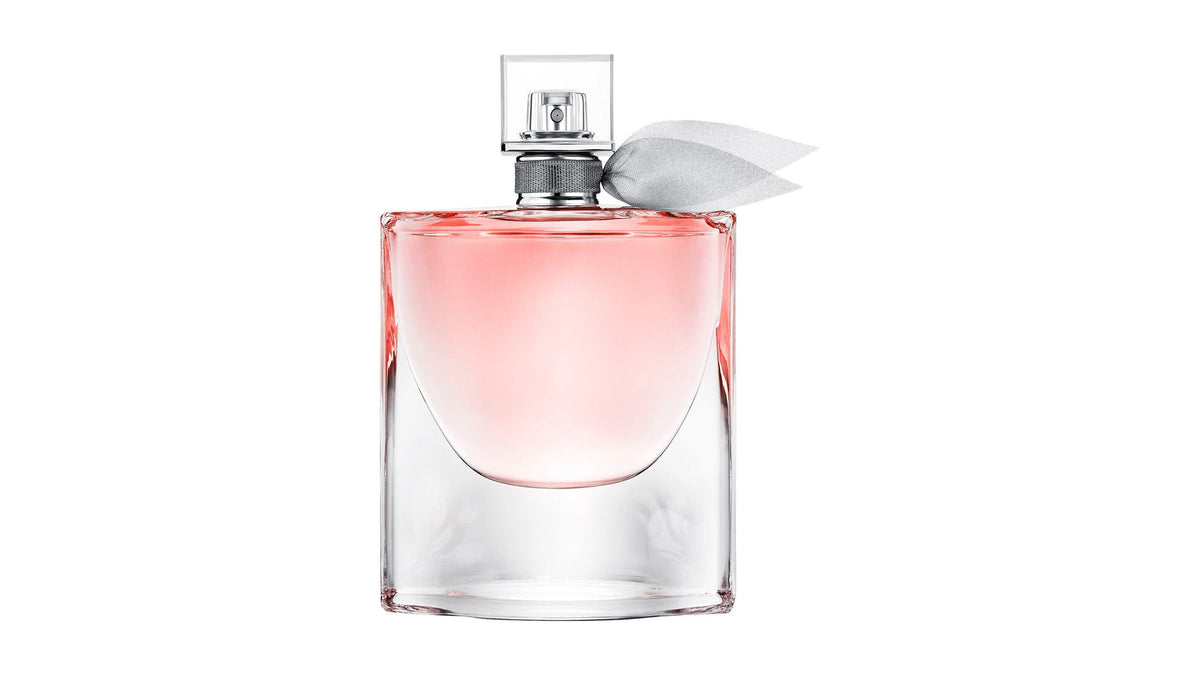
Tom Ford Tobacco Vanille is the perfume many people think of when they hear about the tobacco-vanilla accord: warm, sweet-woody and dense enough to wear mainly when the weather turns cold. It isn’t one of the perfumes we decant, but it remains a useful reference because it clearly shows what this accord means and what to look for elsewhere. From the catalog of decants poured from original bottles, Xerjoff 1861 Naxos comes close, with the same tobacco, vanilla and tonka base, but with honey and cinnamon on top, while By Kilian Angels' Share starts from a neighboring idea, with cognac and praline around the same wintry warmth. Below, you’ll find what each option brings, where they differ from one another, and how you can wear both for several evenings in a row before choosing a bottle.
- The tobacco-vanilla accord pairs dry tobacco leaf with vanilla, tonka or cacao, so the result is almost always gourmand and heavy, not fresh.
- Naxos comes closest to Tobacco Vanille through its base, but sweetens it with honey and spices it with cinnamon, in a unisex formula.
- Angels' Share shifts the emphasis to cognac and praline, so it stays in the same family of warmth but smells more like a spirit than dry tobacco.
What is the tobacco-vanilla accord, and why is it a good winter perfume?
The tobacco-vanilla accord combines the dry, slightly smoky note of tobacco leaf with the warm sweetness of vanilla, usually supported by tonka beans, which add an almond-caramel nuance, or cacao, which makes the sensation even richer. The result is a dense perfume that projects better on the skin when the air is cold and dry than in summer heat, when heavy notes tend to become overpowering. That’s why this kind of perfume rarely appears in someone’s summer rotation and makes a regular return with the first warm clothes of the season.
Tobacco Vanille has become the best-known reference for this accord, but it isn’t the only way to wear it. For readers who first want to understand the difference between concentrations before choosing a decant, our explanation of Eau de Parfum and Eau de Toilette clarifies why the same formula can seem denser or lighter depending on the version.
Tom Ford Tobacco Vanille: what it smells like and why it became a reference
Tobacco Vanille is part of Tom Ford’s Private Blend line and was created by perfumer Olivier Gillotin. According to the retailer’s description, the formula brings together tobacco leaf, tonka beans, vanilla and cacao, layered with an accord of dried fruits and a note of licorice; the result is described as a warm gourmand, with fruitiness reminiscent of marzipan and a dry base, also provided by tobacco, that keeps the perfume from becoming too sweet (source: LuckyScent, Tobacco Vanille product page).
It’s important to clarify that Tobacco Vanille is not, and has never been, a perfume we sell. We use it here only as a familiar olfactory reference, because many readers look to it as the benchmark for this accord, not because we have a decant of it or because we believe another brand “replaces” it exactly.
Xerjoff 1861 Naxos: honey, cinnamon and tobacco in a unisex perfume

According to catalog information, Xerjoff 1861 Naxos is a unisex Eau de Parfum, launched in 2015, from the aromatic spicy family. The house’s stated note pyramid opens with lavender, bergamot and lemon, moves through a heart of honey, cinnamon, cashmeran and sambac jasmine, and settles on a base of tobacco leaves, vanilla and tonka beans. This base, with a structure almost identical to Tobacco Vanille’s, is precisely what makes it the closest perfume in our catalog to the tobacco-vanilla accord.
The real difference appears in the middle: honey and sambac jasmine give Naxos a sweet-floral facet that Tobacco Vanille doesn’t have to the same extent, while cinnamon adds a spicy nuance that briefly brings it close to a slice of warm cake before tobacco and vanilla return in the base. Designed as a unisex perfume, it wears just as well regardless of gender, and its intensity makes it suitable for cold evenings, not a summer afternoon.
By Kilian Angels' Share: cognac, cinnamon and praline
The house Kilian was founded by Kilian Hennessy in 2007, and Angels' Share, created by perfumer Benoit Lapouza, starts with an image connected to his own family: the part of the cognac that is lost to evaporation as it ages in oak barrels, called “the angels’ share” by distillers. According to the perfume’s official description, it opens with a note of cognac, continues with a heart of oak absolute, cinnamon essence and tonka absolute, and finishes with a base of sandalwood, praline and vanilla (source: Les Senteurs, Kilian Paris Angels' Share product page). The exact launch year of this perfume isn’t confirmed in an official source from the house, so we’ll stick to the story and the notes without giving a date.
Compared with Naxos, Angels' Share stays in the same warm, gourmand territory, but shifts the emphasis from honey and flowers to cognac and praline, so it smells more like a spirit aged in wood than a dry tobacco leaf. Cinnamon appears here too, as a shared element with Naxos, but it’s supported by tonka and oak, not jasmine, giving it a boozier, less honeyed character.
Naxos or Angels' Share: where they resemble Tobacco Vanille and where they differ
All three perfumes share the same vanilla and tonka base and the same overall sensation of dense warmth, which is why they naturally belong in the same discussion. The real difference comes through in the heart: Naxos brings honey and sambac jasmine, Angels' Share brings cognac and praline, while Tobacco Vanille, based on its stated notes, remains drier and woodier in the base, without Naxos’s florals or Angels' Share’s liquor facet. How close each one seems to you compared with the original reference depends on your own skin, the climate and the amount applied, so treat the comparison below as a typical indication, not a guarantee.
If you want the honeyed, floral side
If what draws you to Tobacco Vanille is its sweet, dense side, but you also want a floral nuance to open up the composition a little, Naxos is the one to try first. Sambac jasmine and honey give it a softness that Angels' Share doesn’t have, while the cinnamon stays subtle, like a thread of spice rather than the main focus.
If you want the cognac and praline side
If instead you’re looking for something closer to a spirit aged in wood, with praline instead of honey, Angels' Share takes the tobacco-vanilla accord in a more grown-up, less sweet-floral direction. It suits someone who finds Tobacco Vanille too honeyed and wants more weight and less florality.
How to choose and how to try before buying a bottle
A gourmand perfume like this behaves differently from one person to another: dry skin tends to hold on to less of the base notes, and the season changes the overall impression, because a dense composition feels natural in winter and can seem oppressive on a warm day. That’s why it’s worth wearing Naxos and Angels' Share in turn, for several evenings each, before deciding which version of tobacco-vanilla warmth suits you: one more honeyed and floral, the other boozier and spicier.
A trial decant is designed for exactly this: a small volume, enough for several wears, before investing in a full bottle. If you first want to understand the advantages of this format, our comparison of a decant and a full bottle goes into details we won’t repeat here. To choose the right volume for you, from 2 to 10 ml, the size guide shows how many sprays and wears each option provides.
Both perfumes are part of the Niche perfumes collection, alongside other gourmand or spicy formulas. If the tobacco-vanilla accord has convinced you, but you also want to explore other gourmand directions within the same niche perfume category, the comparison built around Tom Ford Lost Cherry follows the same principle: a perfume not listed in the catalog as the reference and original alternatives from the catalog, this time based on a fruit accord rather than tobacco.
For allergens and precautions, perfumes contain alcohol and, like most compositions, may include allergens declared at European level; if you have sensitive skin, test on a small area before wearing the perfume all day, avoid contact with your eyes, keep bottles away from children and keep them away from flames, as they contain alcohol. If you are pregnant, breastfeeding or have known allergies, talk to a doctor before trying a new perfume.