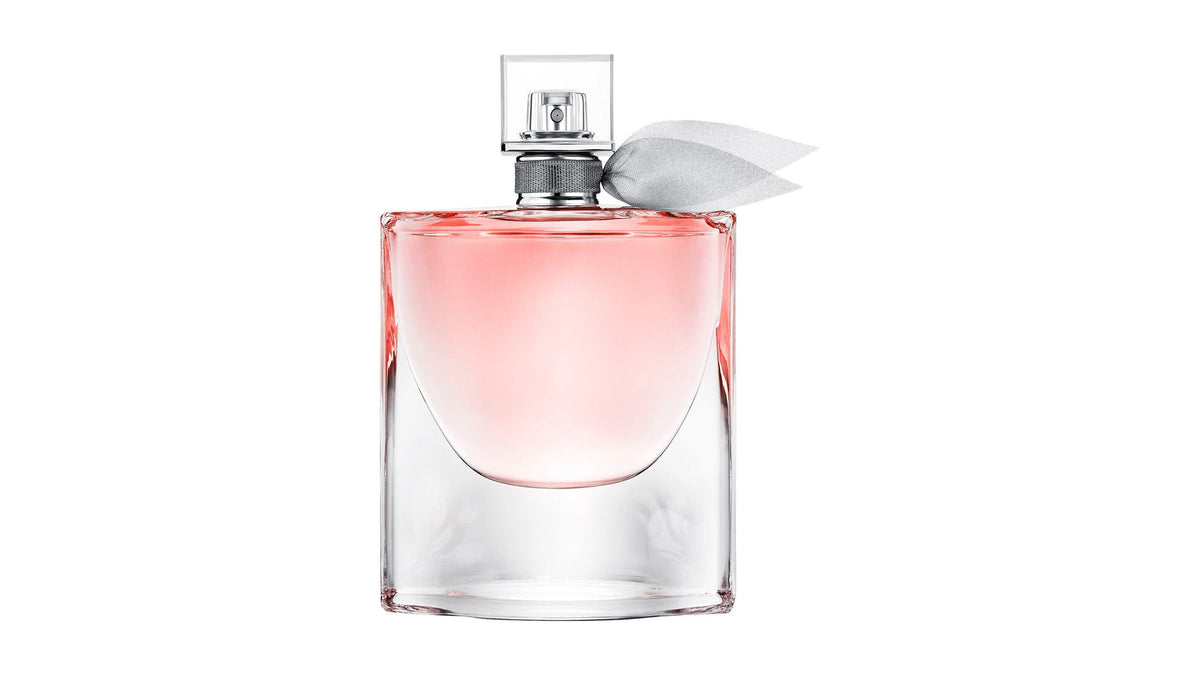
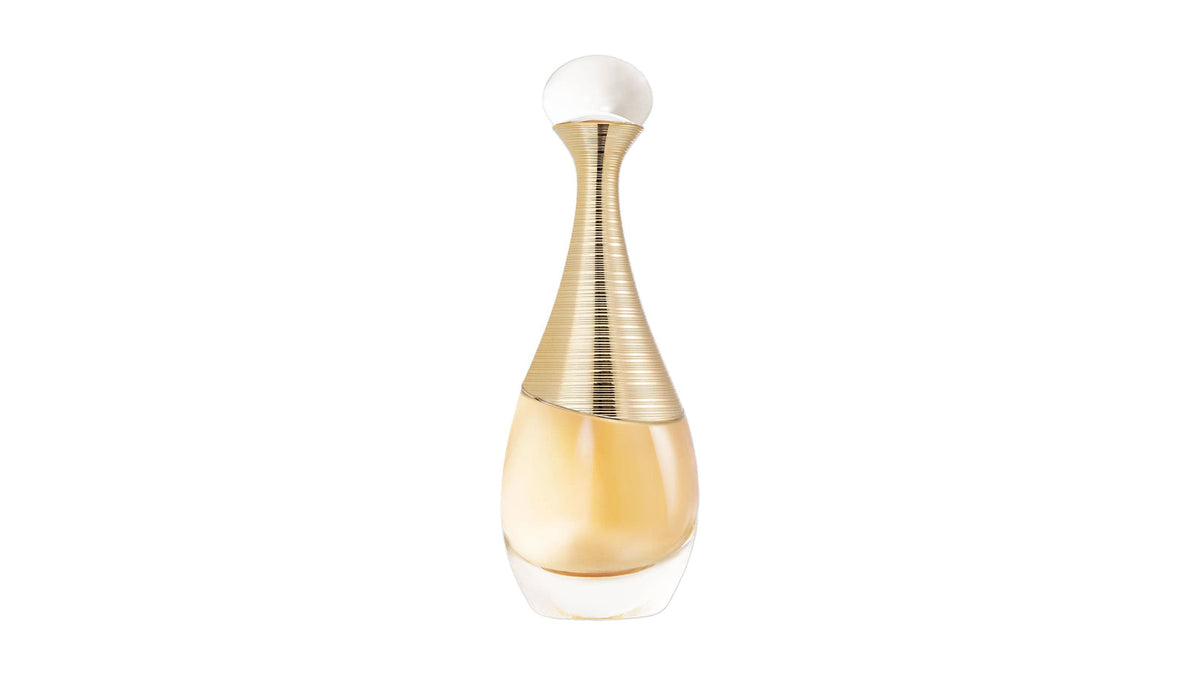
If you’ve read about Tom Ford Lost Cherry and are drawn to the idea of black cherry with bitter almonds, but want to know whether there’s anything else in this direction, the short answer is that Jimmy Choo I Want Choo Forever keeps almost exactly the same cherry-and-almond focus, with a somewhat drier base, while Maison Crivelli Hibiscus Mahajád takes the amber warmth in a different direction, with hibiscus tea, pomegranate and leather instead of cherry. Below, you’ll see exactly which notes they share with Lost Cherry, where each one differs, and how to choose based on how sweet or dry you want it to be.
- Jimmy Choo I Want Choo Forever recreates Lost Cherry’s black cherry and bitter almond accord, but finishes with an oakmoss base that’s drier and earthier than the sandalwood and Peru balsam in the original.
- Maison Crivelli Hibiscus Mahajád has no cherry note at all; it keeps only the amber warmth and rose, but combines them with hibiscus tea, pomegranate, blackcurrant and leather in a 32% extrait.
- Which one comes closer depends on what you like about Lost Cherry: the cherry and almonds themselves, or just the amber warmth around them.
What the cherry in Tom Ford Lost Cherry actually means
Lost Cherry is built around a black cherry and bitter almond accord, with a cherry liqueur accent that gives it the dense, almost edible quality the perfume is known for (source: John Lewis). The house has also listed griotte syrup and Turkish rose absolute alongside bitter almonds and black cherry as part of the same central note (source: Kafkaesque). Turkish rose and sambac jasmine come over the cherry, while the base is what changes the register: roasted tonka, Peru balsam, sandalwood, vetiver and cedar bring a warm, woody quality, not just sweetness. The perfume is classified as amber (“Amber”) and launched in 2018, first in the US, then internationally in November of the same year.
Put that way, the benchmark you’re usually looking for when you say “I want something like Lost Cherry” isn’t just “smells like sweet cherry,” but the specific combination of black cherry, bitter almonds and a woody-amber base that keeps the perfume from being a simple fruity gourmand. That matters for the comparisons below, because a perfume can have cherry without the rest of this structure, or have the structure without cherry.
Jimmy Choo I Want Choo Forever: the same cherry family, with a drier base

Of the two perfumes discussed here, this is the one that actually comes close to Lost Cherry’s central accord. I Want Choo Forever (Jimmy Choo, 2022, created by perfumers Sonia Constant and Louise Turner) opens with wild strawberries and pink pepper, but the black cherry liqueur quickly comes to the fore, just like the central accord in Lost Cherry. Bitter almonds appear here too, in the top notes, alongside rose, making the first impression very close to the reference you’re looking for.
The real difference appears in the base. Vanilla and tonka beans keep it sweet throughout wear, but oakmoss adds a drier, earthier note in place of the Peru balsam and sandalwood that bring the woody-amber quality to Lost Cherry. In practice, if Lost Cherry warms toward wood and resin, I Want Choo Forever dries down toward moss and earth, while remaining sweet from top to heart. It’s no coincidence that it’s classified as an amber gourmand chypre, not simply amber-floral: the chypre structure (with its drier, mossy finish) is exactly what sets it apart from the original, not just its concentration or the house that created it.
Maison Crivelli Hibiscus Mahajád: cherry replaced by hibiscus tea and currants

If what draws you to Lost Cherry is more the amber warmth and rose than the cherry itself, it’s worth looking in another direction too. Hibiscus Mahajád starts with a specific memory of perfumer Quentin Bisch’s: drinking hibiscus tea in a gemstone market. It translates this into an olfactory experience with ruby rose, hibiscus tea, pomegranate, blackcurrant, mint and cinnamon in the top and heart, over a base of vanilla orchid, amber and leather (source: Maison Crivelli). It has no actual cherry note: the red fruits come from pomegranate and currants, not a cherry-and-almond accord.
What it does share with Lost Cherry is the warmth in the base—vanilla and amber create a similar amber feel, while leather adds a weight that the cherry in Lost Cherry doesn’t have. It’s an extrait de parfum, the most concentrated form in which a perfume is sold, at 32%, which means it feels concentrated from the very first application, more so than a regular Eau de Parfum. For someone looking for exactly the cherry in Lost Cherry, Hibiscus Mahajád isn’t a direct match; for someone looking for that amber-floral warmth, but in a less sweet-gourmand form and closer to leather and rose, it’s a genuine option to consider.
How to choose between the three, based on how sweet or dry you want it to be
The easiest way to choose is to think about which part of Lost Cherry matters most to you, not which perfume “smells similar” overall. If you want the cherry and almonds as close to the original as possible, but are fine with a slightly drier base toward the end, I Want Choo Forever is the logical choice: it keeps exactly the accord that first drew you in, but ends differently. If instead what you like is the amber warmth and rose, but you prefer something more floral and less sweet-gourmand, with a trace of leather instead of almonds, Hibiscus Mahajád takes the idea in a different but coherent direction.
Concentration also affects how intense and long-lasting the perfume feels, not just its price. I Want Choo Forever is an Eau de Parfum, a usual concentration for this type of perfume; Hibiscus Mahajád is an extrait, so it feels denser and closer to the skin from the first hour. If you choose between them based only on the notes, and not on how concentrated you want the perfume to feel throughout the day, you might be surprised by how strong Hibiscus Mahajád is on application compared with what you expected.
Why it’s worth trying them as a decant before buying a full bottle
The note list is a starting point, not a guarantee. How a perfume with cherry or red fruits actually smells depends on your own skin’s pH and the temperature, so the same formula can smell sweeter on one person and drier on another. You can read more about this in our explanation of how we fill our decants, where we also show how we always start with original bottles bought from authorized distributors, with an invoice.
For a comparison like this, a small 2–3 ml decant is enough to wear the perfume for a few days in a row and see how the base develops on your own skin before making any decision about a full bottle. If you want to see exactly how long the different sizes last, our size guide has all the details. And if you’re wondering in general when a decant makes sense compared with a full bottle—not just for the perfumes in this article—we’ve written about that separately in our article on decant or full bottle.
If you want to look for other fruity-floral options beyond the two discussed here, the For her perfume collection has other options in the same category. You can view the decant of Jimmy Choo I Want Choo Forever or Maison Crivelli Hibiscus Mahajád to find out on your own skin which cherry or red-fruit option suits you, before considering a full bottle.