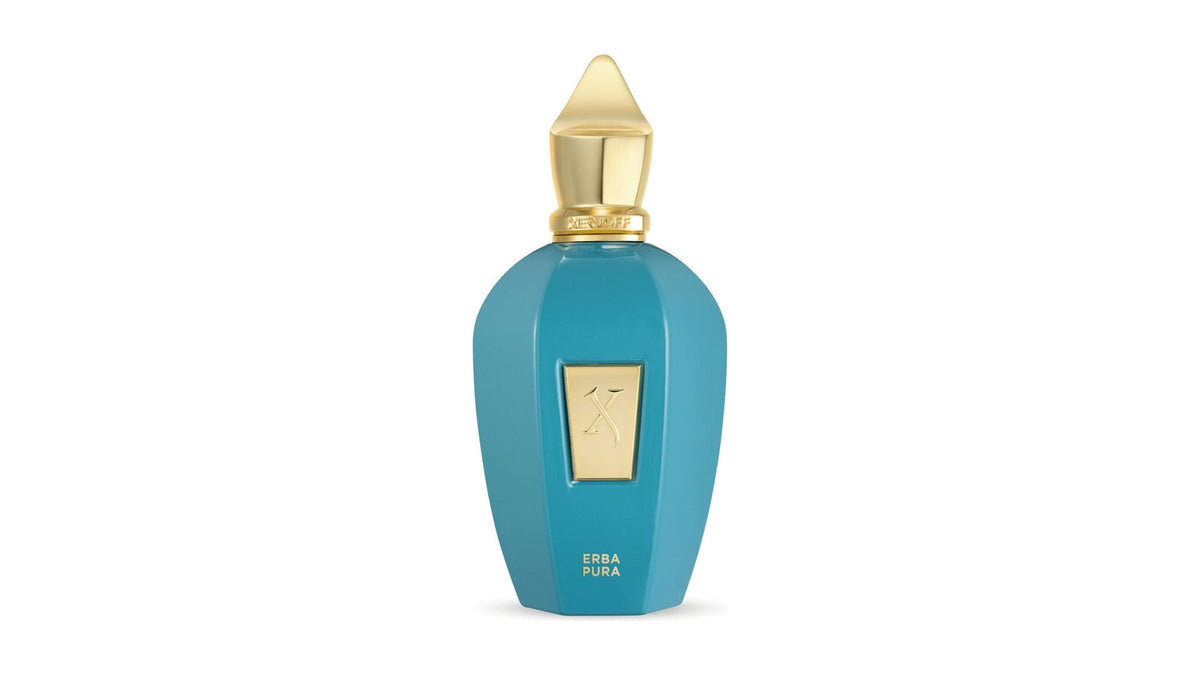
If you already have a perfume in mind — whether it’s a very well-known name or a more expensive niche scent — and you’re hesitating between a decant of a few millilitres and a full bottle, the answer depends on a few concrete things: how well you already know that perfume, how many days you want to wear it now, how much the collector’s aspect matters to you, and how sure you are that you won’t change your mind in a few months. A 2-10 ml decant is not a watered-down version of the original perfume, but exactly the same composition, transferred from a full bottle into a small quantity that is enough for a few days or weeks of wear before you invest in a full bottle.
- How familiar you are with the perfume matters more than the size of the decant: the less you know it, the more a decant tells you about how it behaves on your skin.
- Choose the decant size based on how many days you want to wear it now, not on how generous the number of millilitres seems.
- A full bottle wins on shelf presence and collector appeal, but loses if you don’t finish it before it oxidises.
- The decant’s provenance — the original bottle and an invoice from an authorised distributor — matters just as much as the perfume itself.
What choosing a decant instead of a full bottle actually means
The real question isn’t “decant or bottle in general,” but “for this particular perfume, right now, which option makes sense?” A decant has exactly the same formula as the bottle it was poured from — the same notes, the same concentration, the same perfume house — only the quantity is different. The difference between the two options isn’t how the perfume smells, but how much of that scent you need right now and for how long.
If you actually came here looking for the difference between a decant and a perfume tester, that topic is covered separately, because the two aren’t compared using the same criteria: what a perfume tester is and how it compares with a decant.
How well do you already know the perfume?
The first decision criterion is the simplest: how much real exposure have you actually had to that perfume? If you’ve only smelled it on a paper blotter in a shop or worn it for a few hours on someone else’s skin, a decant you can wear for a few days shows you something a paper blotter can’t: exactly how it develops on your skin, on a hot day and a cool one, after physical activity or in an air-conditioned room. Perfumes react differently to the pH and temperature of each person’s skin, and a short trial on your own skin tells you more than any description you’ve read beforehand.
If, on the other hand, you’ve already worn the perfume for years from the bottle of someone close to you, or tested it extensively at different times, a decant makes sense mainly as a compact travel option, not as a way to get to know the scent — for example, Dior Sauvage, a widely available perfume that many readers already know they want before they buy.

How many days do you want to wear it? The size-sprays-days table
Once you’ve worked out how well you know the perfume, the second question is practical: how many days do you need it for now? The table below, taken from the store’s size guide, shows how many sprays and how many days each decant size covers, at a typical rate of about three sprays per day.
Table: size, sprays, days
| Decant size | Sprays (approx.) | Days covered (~3 sprays/day) |
|---|---|---|
| 2 ml | ~30 | ~10 days |
| 3 ml | ~45 | ~15 days |
| 5 ml | ~75 | ~25 days |
| 10 ml | ~150 | ~50 days |
For a first trial, before deciding whether a perfume really suits you, a 2 or 3 ml decant usually covers a week or two of daily wear, enough to experience it in several different settings. For someone who wants to wear a perfume consistently for a whole month before making a final decision about the bottle, a 5 or 10 ml size is a better fit for that routine.
Space, collecting, and what you give up without the full bottle
A full bottle comes with its own box and, for many niche perfumes, a collector’s appeal that a small decant can’t reproduce — the original label, the bottle’s distinctive shape, sometimes even numbered packaging. For someone who collects bottles or displays them on a shelf, that detail matters just as much as the scent itself.
On the other hand, a few small decants take up significantly less space than the same number of full bottles and are easy to carry in a bag or travel kit, without the risk of breaking a large bottle. The cost per millilitre is generally higher for a decant than for a full bottle, because you’re paying for flexibility and a small quantity, not volume — a calculation worth weighing especially if you already know for sure that you’ll wear the perfume for years.
The clearest example is a more expensive niche perfume, such as Amouage Guidance: for someone who first wants to check whether the investment in a full bottle is worthwhile, a decant removes the risk of buying a whole bottle of a perfume they ultimately don’t wear often.

The risk of regret: what happens if you don’t finish a full bottle?
There’s also a decision factor that’s less obvious than space or cost per millilitre: what happens to the full bottle if you don’t finish it in time. As the perfume level drops in the bottle, the amount of air left above the liquid increases, and oxidation speeds up — perfumer Pia Long explains in an article about the signs of perfume degradation that the air above the liquid directly accelerates the composition’s oxidation (source: AOL — Signs your perfume has expired). Amandine Pallez of Bvlgari Parfums adds in the same article that top notes, often citrus, are affected first, and that light and heat accelerate the same chemical degradation of the perfume molecules.
In practice, a large bottle kept on display on a bright shelf near a window ages differently from one kept in a drawer or a dark cupboard. The same perfumer recommends transferring the remaining contents of a nearly empty large bottle into a smaller container, specifically to reduce the surface area exposed to air and slow the process.
What the PAO symbol on the packaging tells you
Most cosmetics with a shelf life of more than 30 months are required to display the PAO symbol in the EU — a drawing of an open jar with a number of months inside. That number indicates the estimated period during which the product remains stable and can be used safely after it is first opened, as established through stability tests (source: Obelis — Expiration date and PAO for cosmetics). It’s important to remember that the PAO symbol certifies safe use, not that the perfume smells exactly as it did on day one — a bottle can remain safe to use while also losing some of the freshness of its top notes.
A decant bought specifically for the period you want to wear the perfume eliminates this risk: you finish it before its scent has a chance to change, regardless of how the rest of the original bottle it was poured from is stored.
Why the decant’s source matters
A decant’s faithfulness to the original perfume depends directly on two factors: the provenance of the bottle it was poured from and how it is stored afterwards. The usual decanting process uses a syringe, a funnel suited to the bottle neck, or a capillary tube, and the final container must be airtight and opaque so light can’t degrade the contents (source: Tendance Parfums — glossary: decant).
If it’s poured from a bottle that has been packaged improperly or, worse, from a counterfeit bottle, the decant no longer represents the real perfume, however convincing it may seem on first sniff (source: Tendance Parfums — glossary: decant) — the provenance of the source bottle matters just as much as the stated composition. That’s why it’s worth checking whether the store you buy from works with invoices from authorised distributors and marks each decant with its own batch code; you can read exactly how this process works in how our decants work.
Frequently asked questions
How long does a 2 ml decant last at three sprays a day? About ten days, according to the table above — enough for an extended first trial of a new perfume.
Is a decant as authentic as the original bottle? Yes, as long as it comes from an original bottle and is stored correctly; the section above on provenance explains exactly what ensures this.
If I start with a decant, can I still buy the full bottle whenever I want? Yes — a decant doesn’t commit you to anything later. If the perfume confirms your choice during the days you wear it, the full bottle is always a separate option. For other specific questions, the store’s frequently asked questions cover related topics, from storage to delivery.
How to choose: decant or bottle
Taken together, the criteria above give a fairly clear answer for most situations. The less you know the perfume, the more useful information a decant gives you before an expensive decision. The fewer days you want to wear it now, the better a small decant size suits you than a full bottle that would otherwise sit half full for years. And if collector appeal or shelf space doesn’t matter to you, the strongest argument for a full bottle — the box, label, and distinctive bottle shape — carries much less weight in the final decision.
For a perfume you haven’t decided on yet or one that’s more expensive, such as Creed Aventus, trying it for a few days from a 2 ml decant shows you on your own skin whether the pineapple and smoky birch that define it really work for you, before you invest in a full bottle. For someone who already knows exactly what they want from long-term wear and will use it for years, the full bottle remains the more economical choice in the long run.