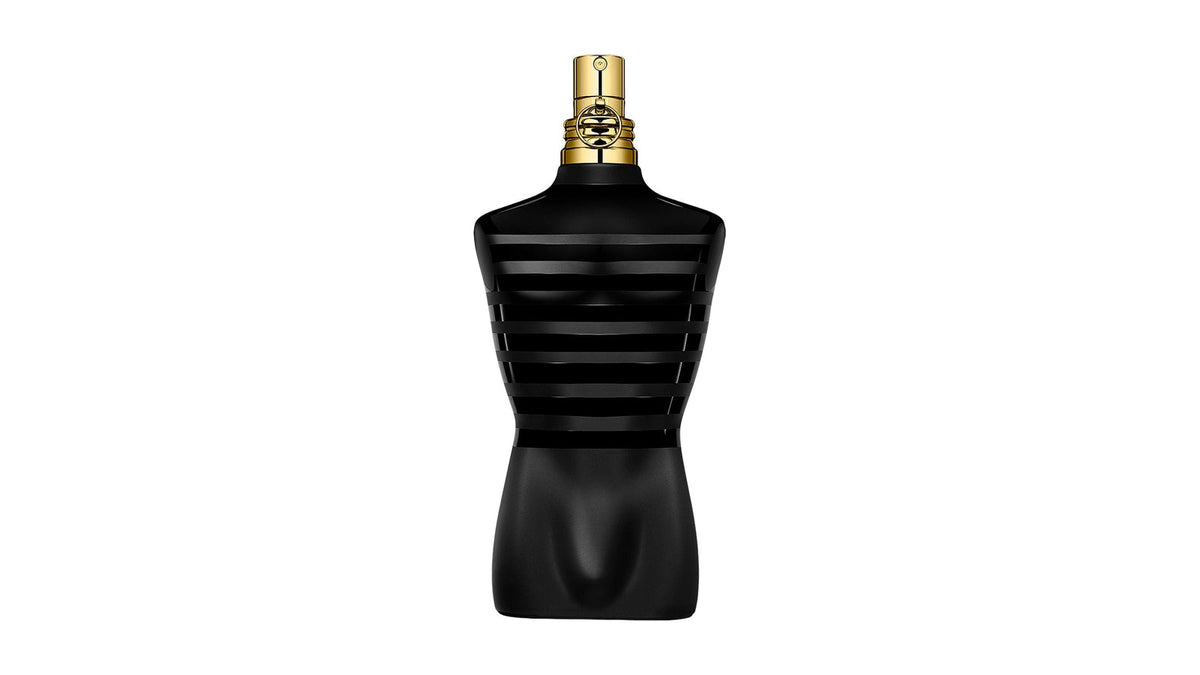
If you’ve already come across Lady Million and are now looking for Scandal by Jean Paul Gaultier, the good news is that the two perfumes start from the same set of ideas: honey, gardenia and patchouli, arranged in a sweet-floral structure. The real difference isn’t what they have in common, but their opening and the way they settle into the base — Scandal is warmer and more gourmand, with beeswax and caramel, while Lady Million remains a more classic woody floral, with amber instead of caramel. Scandal isn’t currently available in our catalog, so the alternatives below point you toward Lady Million, available as a 2, 3, 5 or 10 ml decant, and Divine, a second, more floral and lighter JPG option.
- Honey, gardenia and patchouli link the two compositions, so if you already like one of them, the other is at least worth trying on your skin.
- Their openings clearly set them apart: Scandal starts with mandarin and orange, a rounder, warmer introduction, while Lady Million opens with raspberry, neroli and bitter orange, making it tarter and fruitier.
- The base changes the character, too: beeswax, caramel and licorice in Scandal, compared with amber alongside honey and patchouli in Lady Million — the first leans gourmand, while the second remains a woody floral.
- You can wear both as decants, 2–10 ml each, for a few days before deciding on a full bottle.
What Scandal and Lady Million have in common
If you compare the formulas of the two perfumes, honey, gardenia and patchouli appear in both, though in different proportions and alongside different notes. Honey is the central sweet note linking the top and base in both; gardenia appears in each heart as a white floral element; and patchouli adds weight and staying power to the base in both cases. The olfactory structure still differs in terms of fragrance family: Scandal is described in the perfume listings available from retailers as a sweet floral with almost gourmand accents (source: Jadof), while Lady Million is officially classified as a woody floral, according to its product listing. In practice, this means the shared honey-gardenia-patchouli base comes across differently: denser and sweeter in Scandal, more balanced and classic in Lady Million.
Orange or raspberry: how their openings differ
The first few minutes on skin are where the two perfumes differ most noticeably. Scandal opens with mandarin and orange, a citrus combination that is round rather than sharp, without the typical tartness of cool citrus notes (source: La Rose). Lady Million, according to the product listing in our catalog, starts with raspberry, neroli and bitter orange, alongside lemon — a tarter opening, with the raspberry adding a sweet-fruity note that Scandal doesn’t have. For someone choosing a perfume in the morning, the difference is simple: if you want a warmer, less “prickly” opening, Scandal feels friendlier right away; if you prefer a fresher, more playful first impression, Lady Million’s raspberry makes that more noticeable in the first few dozen minutes.
What the base changes: beeswax and caramel versus amber
Once the citrus notes fade, the hearts of the two perfumes grow closer again, but not completely. Scandal adds jasmine, orange blossom and peach alongside honey and gardenia, a combination that pushes the composition toward an almost gourmand territory. Lady Million keeps jasmine sambac and orange blossom alongside gardenia, without peach, which keeps it closer to a classic white floral bouquet. The base, however, is where the difference becomes clearest: Scandal settles into beeswax, caramel and licorice, notes that give it a dense, almost edible feel; Lady Million, by contrast, builds its base from amber alongside honey and patchouli, closer to a traditional woody floral than a dessert.
Why “sweeter” doesn’t mean “more intense”
The sweetness Scandal leaves behind says nothing about how strong the perfume is or how long it lasts on skin — perception depends on each person’s skin, body temperature and the weather, not just the formula. A perfume can be perceived as “sweeter” or “denser” without being longer-lasting, and its actual duration varies enough from one person to another that there’s no point promising it as a fixed number. What you can compare with confidence is the character: Scandal leans toward a thicker sweetness, almost as warm as a candle, while Lady Million remains brighter, with patchouli adding weight rather than extra sweetness.

Who each one suits: occasion, season, style
Scandal’s dense, gourmand notes make it more at home in the evening, especially in cold weather, when a warm composition with beeswax and caramel feels fitting rather than overwhelming — a winter dinner or an evening outfit brings it to life. Lady Million is more versatile: applied sparingly, in a few discreet sprays, it also works at the office during the day, not just in the evening, because its woody-floral structure doesn’t have the same immediate weight as gourmand bases. Beyond personal preference, it’s worth bearing in mind that your own skin and the weather outside change how a perfume actually comes across more than its description on paper: on warmer skin or on a humid day, both perfumes feel closer and denser than their top notes might suggest.
How to try both before choosing a bottle
The easiest way to find out which of the two actually suits you is to wear them in turn, for a few days each, rather than smelling them just once from a sample bottle. A 2–10 ml decant is ideal for this purpose: the size guide shows that a 2 ml decant gives you around 30 sprays, enough for approximately 10 days at a normal daily dose, while a 10 ml one lets you extend the trial to almost two months. You can start with Lady Million as a decant, in the size that suits you, and if you want to compare it directly with a JPG option in a fragrance family closer to Scandal’s, Gaultier Divine is another option to consider — more floral and noticeably lighter than Scandal, officially described as a marine floral gourmand perfume (source: Jean Paul Gaultier).

If you’d like to see other sweet-floral perfumes in the same olfactory territory, the For her collection brings together the options available from us. And if you’re not sure what actually differs between a tester and a decant, this article on the subject explains the distinction; if trying a decant convinces you and you want to know when it’s worth moving on to a full bottle, this guide is the natural next step. In any case, the way we decant perfumes is the same for every perfume in our catalog: directly from original bottles, purchased with an invoice, into new atomizers that are sealed and labeled with an internal batch code.
In short, honey, gardenia and patchouli explain why Scandal and Lady Million often appear side by side in comparisons, but it’s their openings and bases that actually determine which one you wear: a winter evening calls for Scandal’s warm density, while an ordinary day is better suited to Lady Million’s versatility. The surest way to find out which of the two suits you is still to wear them in turn, rather than judging them only by their note lists.