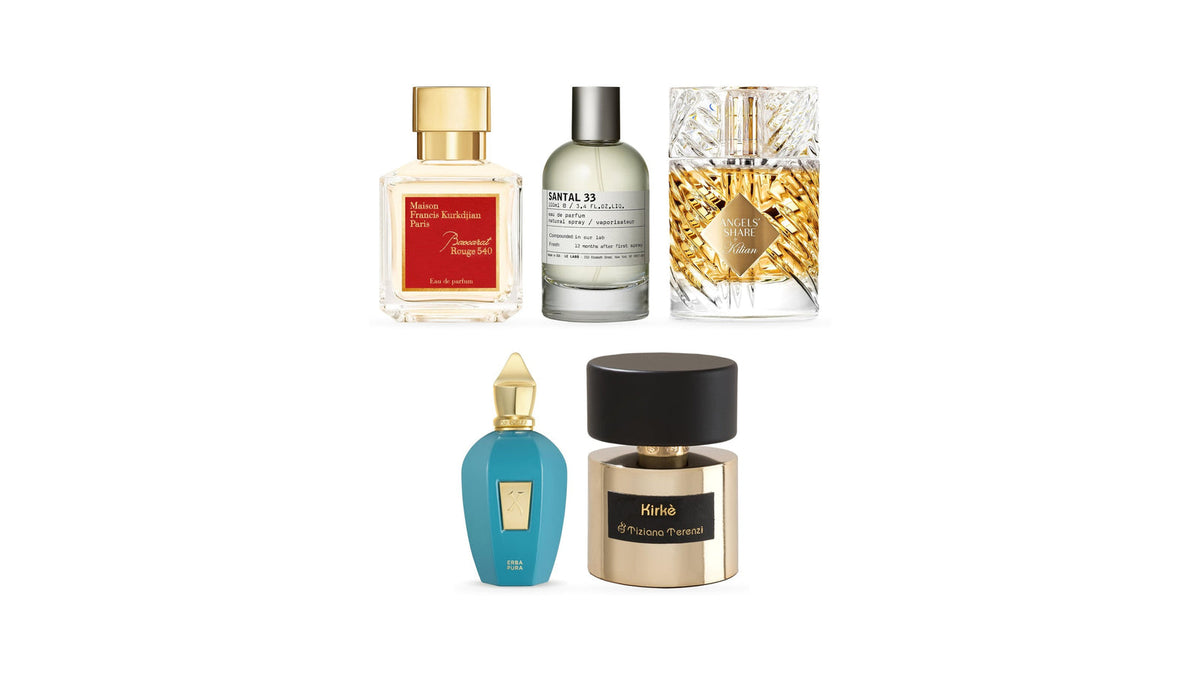
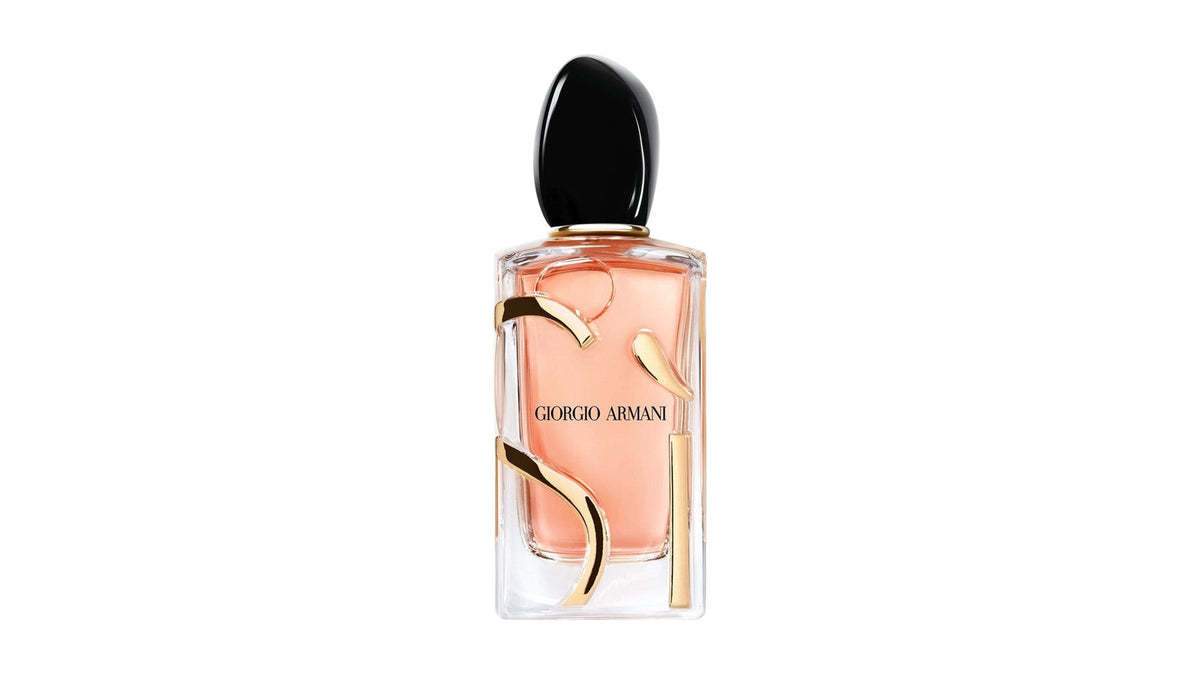
A perfume tester is, in most cases, exactly the same liquid sold in the regular bottle on the shelf, made from the same formula and at the same concentration. What differs is almost entirely the packaging: the box may be missing or may be a plain one without graphics, and the decorative cap is often not included with the item you see for sale. The lower price you come across online reflects the reduced packaging cost, not a smaller quantity of perfume or a different concentration. The useful question is not whether testers are, as a rule, “authentic” or “fake,” but how to check the specific item you want to buy, because testers often reach the market through channels other than authorized stores, where there is less control over their condition.
- The liquid in a tester is generally identical to the liquid in the retail bottle; the packaging differs, not the perfume.
- The lower price reflects the lower production and distribution cost of the packaging, not an inferior product.
- The real risk concerns the origin and condition of the specific item, especially if it has been on display for a long time without a cap—not the “tester” label itself.
- A decant that we pour from a bottle bought with an invoice is a different category, with an origin you can trace; it is neither a tester with a new name nor a perfume sample from the house.
What exactly is a perfume tester?
In stores, the tester is the bottle the seller makes available to customers so they can smell the perfume before buying it. It is not intended as a product for sale, but as a display item, which is precisely why it comes without the accessories you get with a regular retail bottle: often without a box, sometimes without the decorative cap, and with a label limited to essential information. According to an analysis dedicated to this topic, the liquid inside is generally the same formula as in the retail bottle, and the main difference remains the packaging (source: Should you buy a tester perfume?).
Some of the testers circulating on the secondary market come from the same factories as retail bottles, because they come off the same production line used by the house (source: Perfume testers – Scent Grail). From there, some perfume stock in general reaches resellers through parallel import channels, also known as the grey market, a route documented for perfumes as a whole and not just testers; this does not mean counterfeiting, but the redistribution of legitimate products that have left the usual sales channel, not imitations. This does not eliminate the need for caution when buying, but it changes the question: not “are testers automatically suspicious?” but “how do I check the item in front of me?”
Tester or regular retail bottle: what exactly is different?
Compared with a bottle bought from a store in the usual way, a tester can usually be identified by a few packaging details: the box may be white or brown, without the brand’s graphics, or it may be missing entirely; the decorative cap is often not included; and the label on the bottle may be simpler, sometimes listing the fragrance notes directly on the back, whereas the retail bottle comes in a full box with all this information. None of these differences changes the liquid inside or its concentration; they relate strictly to how the product is presented to the customer.
A tester has the same shelf life as a retail bottle, but the conditions it has been kept in matter more. A tester that has been on display for a long time in strong light, in a store window or on an open shelf, can deteriorate faster than a sealed bottle, because light and heat accelerate changes in the composition (source: Should you buy a tester perfume?). On a perfume forum, the community discussion reaches a similar conclusion: the liquid is usually identical to that in the retail bottle, but the riskiest option remains a used tester without a box, bought from an unknown seller, precisely because of prolonged exposure to light, heat and air (source: Are testers the same quality as retail bottles?).
Why don’t you get a tester as such if you want a gift?
If you have a gift in mind, a tester’s simplified packaging, most often without the usual box and cap, changes the unboxing experience, even though the perfume inside is identical. For an occasion where the packaging matters as much as the scent, a complete bottle remains the right choice; a tester makes sense especially when your only aim is to try the perfume, not to give it as it appears on the shelf.
How to check whether a perfume tester sold online is authentic
Because testers circulate through less controlled channels than authorized stores, it is worth looking at a few specific details before buying, especially when there is no box to compare with the bottle.
- The batch code engraved on the bottle, usually on its base or side, should be clear and consistent; a crookedly attached or poorly printed label in place of an engraving is a reason for caution (source: Identifying counterfeit perfumes: packaging versus bottle).
- The original glass bottle is thick and transparent, with no bubbles or irregular edges; the cap, if there is one, fits securely, and the atomizer produces a fine, even spray, not droplets or an uneven spray.
- A price far below the market rate, combined with a lack of any information about the concentration (EDT or EDP) or the batch code, is a reason to ask the seller for more details, not in itself definitive proof of counterfeiting.
- The scent alone is not enough to verify it: some imitations manage to copy the opening notes well, but become noticeably different from the original as the perfume develops on the skin over the hours after application.
Tester, decant or perfume sample: three different things
The discussion of testers gets more complicated when two other words often used interchangeably come into play: perfume sample and decant. These three are not versions of the same thing, but separate categories with different origins.
A tester remains a full-size bottle, usually with the same capacity as the retail version in that range, intended for demonstration in a store, not to be sold as a separate product. An official perfume sample is something entirely different: a small quantity, usually under 2 ml, offered free by the brand or with a purchase, in single-use, non-refillable packaging.
Our decant is different from both. We manually pour the amount you choose—2, 3, 5 or 10 ml—from an original bottle bought with an invoice from authorized distributors, into new bottles that are sealed and labelled with our own internal batch code. You can read exactly how we do this on the page about how our decants work. It is not a tester with a new name, because we do not resell store display bottles, and it is not a perfume sample from the house, because it does not come from the brand, but from a bottle we bought and whose origin we can show. For example, a decant of Xerjoff Erba Pura or a decant of Dior Sauvage comes directly from this process, not from a store tester transferred into another container.

What to ask before buying, whichever option you choose
Whether you are looking at a tester, a decant or a full bottle, a few simple questions can help you make a more informed purchase:
- Can the seller show where the product comes from, with an invoice or at least a clear returns policy if something is not as described?
- Is the batch code on the bottle visible and consistent with the rest of the label, or does it look like it was added separately?
- If it is a tester without a box, are you aware that you can no longer compare the code on the box with the one on the bottle, because that verification point simply does not exist?
- If your aim is to wear the perfume for a few days before deciding whether a full bottle is worth it, a decant poured from a bottle bought with an invoice gives you an origin you can verify, unlike a tester bought from a stranger.
For a broader calculation of when a decant is really worth it compared with a full bottle, you can also read the dedicated comparison of choosing a decant or a full bottle. If, while checking a tester, you come across a label with an unclear concentration, the article about the difference between Eau de Parfum and Eau de Toilette will help you understand what that detail on the label actually means. And if you still have questions about the origin or authenticity of our products, the FAQ page brings together the answers customers look for most often.
If you just want to try a perfume before deciding on a full bottle, a decant poured from a bottle bought with an invoice from an authorized distributor remains an accessible option, with an origin you can verify at any time, unlike a tester bought with no guarantee at all about its history.