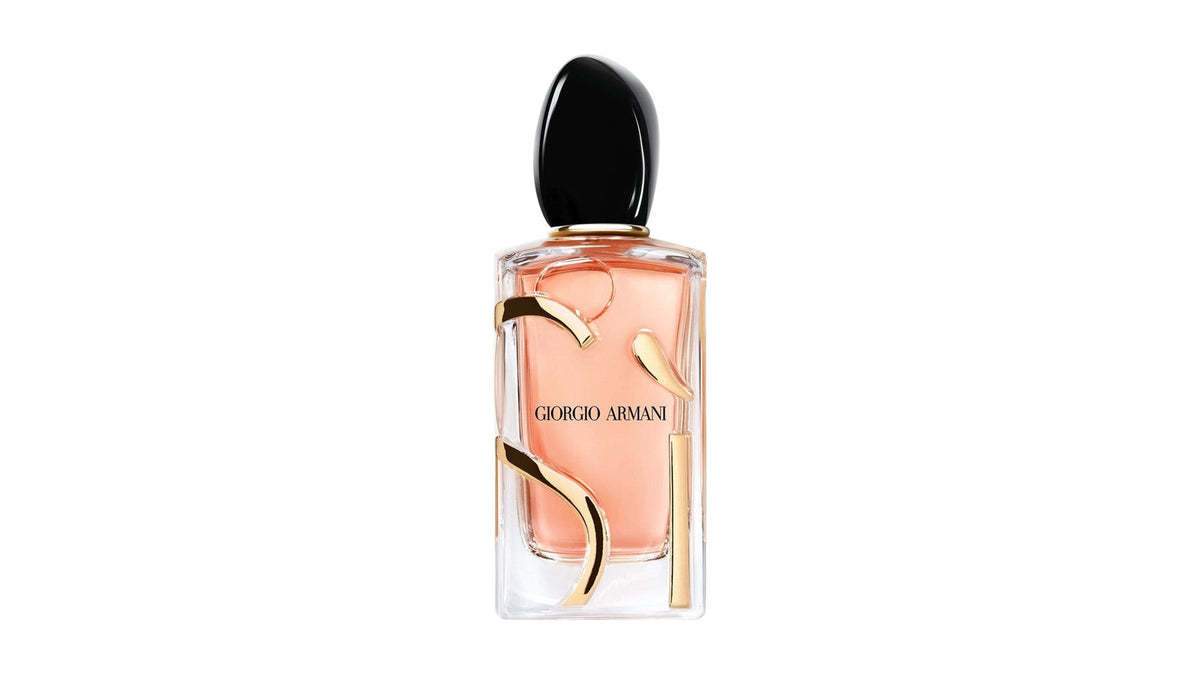
When searching for mini perfumes for women, you come across three words that shops and advertisements use rather loosely: “mini bottle,” “sample” and “decant.” They don’t mean the same thing, and the difference matters most if you want to try several perfumes before buying a full bottle. An official mini bottle is a small product made by the perfume house itself, usually for travel or as part of a gift set. A sample is usually a paper blotter or a 1 ml vial, given with purchases or in magazines, and intended more as a sample than as a standalone product. A decant is something else: an amount poured from an authentic original bottle into a new, sealed and labelled atomizer, so you can wear that particular perfume for a few days or weeks, not just a few minutes.
- A mini bottle comes directly from the perfume house; a decant is poured later by the seller from an original bottle purchased with an invoice.
- The decant size you choose (2, 3, 5 or 10 ml) depends on how many days you want to wear the perfume, not just on the price.
- Your nose gets tired after 3–5 perfumes tested in one session, so spreading testing over several days in a week gives you a much clearer impression than trying them all in one afternoon.
- A decant is not an identical guarantee for everyone: your skin, the weather and the amount you apply change how you experience that perfume.
Mini perfume, sample or decant: three different things
An official mini bottle has the same label, box and codes as the full-size bottle because it is made by the perfume house for this purpose, usually as a travel set or as an addition to a gift. A sample, on the other hand, is usually a vial from the manufacturer, often given out in perfume shops, and is intended to give only a first impression, not to last for many days (source: What is a perfume decant? — Scento Help Center). A store display bottle is something else: a full-size bottle kept in a shop for customers to try on the shelf, which is generally not for sale.
A decant starts with an authentic original bottle, purchased with an invoice from authorized distributors—the same idea of perfume transferred from an original bottle described in specialist guides (source: What is a perfume decant? — Scento Help Center). We pour an amount from that bottle into a new atomizer, seal it and label it with an internal batch code, so you can wear that perfume several times and decide whether it’s worth buying a full bottle. This is still our own initiative, however, not a product filled or approved by the perfume house: that’s exactly why we don’t call it a “perfume-house sample” or a “store display bottle,” because we’re not affiliated with the brands whose perfumes we decant. If you want full details on how the perfume gets from the original bottle into the decant, the steps are explained in our article on the decanting process.
Why these names get mixed up in shops and advertisements
The difference between the three isn’t always explained in shops, and the word “mini” ends up being used for an official mini bottle, a sample and a decant alike, because they all share the idea of a “small format.” If you just want to see whether you like a perfume, any of these options works as a first impression. If you want to actually wear it for several days in a row, to see how it behaves on your skin at different times of day, a 2 or 3 ml decant gives you enough to do that, which a 1 ml sample rarely allows. If you’re more interested in where to get free samples or other small formats offered by shops, that topic is covered separately in our article about perfume samples.
How to choose a decant size (2, 3, 5 or 10 ml)
The right size depends on what you want to do with the decant, not just on your budget. Our size guide estimates that, at a usual rate of three sprays a day, 2 ml gives you about 30 sprays and 10 days of wear, 3 ml gives you 45 sprays and 15 days, 5 ml gives you 75 sprays and 25 days, and 10 ml gives you 150 sprays and 50 days. If you just want to try a new perfume, or several at once, a 2–3 ml decant is enough to wear it on a few different days and see how it behaves, without investing in a large amount of a perfume you might not wear often.
The choice changes if you’ve already tried a perfume and liked it, and want to wear it regularly, perhaps for a whole season or for a particular event, rather than just test it; then a 5 or 10 ml size makes sense, because it saves you from placing another order every two weeks.
How many decants make sense to buy at once
If your plan is to try three or four perfumes in a week, the smaller sizes are enough: 2 ml if you just want to see whether you like the perfume, 3 ml if you want to wear it on two consecutive days as well, so you can experience the base notes too. There’s no point in buying 10 ml of four different perfumes straight away just to try them—that means having a large amount of a product you might not wear often after the first week.
How to try three or four perfumes in a week without confusing your nose
Trying several perfumes at once comes with a real risk: after smelling 3–5 perfumes in the same session, your nose no longer clearly distinguishes the differences, and your impression becomes unclear (source: How to Sample Fragrances Properly — fragplace.com). That’s why spreading testing over a whole week, rather than doing it all in one day, gives much clearer results than a compressed session.
A few simple rules make a difference. Leave at least 30 minutes between testing two perfumes, so you don’t judge the second through the “echo” of the first, left on your skin or in your nose (source: How to Sample Fragrances Properly — fragplace.com). Don’t form an opinion in the first few minutes: let the perfume dry down on your skin for one to four hours, so you can experience the base notes too, not just the top notes, which smell different from the rest of the perfume’s development (source: The Smart Way to Test Perfume Before You Buy — so-avant-garde.com). Write down what you smell as soon as you apply it, after 30 minutes and after a few hours, because your memory of scents fades quickly from one day to the next. If you have sensitive skin, first apply a small amount to a limited area and avoid irritated or broken skin, as you would with any alcohol-based product.

A set designed for exactly this purpose, such as the Niche Starter Set, with five niche perfumes at 2 or 3 ml each, already gives you the right sizes for a week of testing, without having to work out how many days each decant will last.
Once you’ve tested them, wait a whole day before deciding which perfume you truly liked, especially if you tried several on the same day—the first impression, formed on the spot, often changes once the “echo” of the other perfumes fades (source: How to Sample Fragrances Properly — fragplace.com). And remember that how a perfume smells on you depends on your skin, the weather and the amount you apply, so the impression you form is typical for you, not an identical guarantee for someone else wearing the same decant.
A simple plan for a week with 3–4 decants
A practical approach looks like this: on the first and third days, try one new perfume each, giving it a full hour to settle on your skin before writing down your impression; on the second and fourth days, wear those same perfumes again, this time noticing how they develop towards evening, not just when you apply them; then leave the last days of the week free for the perfume you liked most, to see whether your impression holds up on the third or fourth wear. This seven-day routine gives you time to compare the perfumes without mixing them together in the same afternoon.
Why a decant isn’t the same as a perfume bought directly from the brand
The perfume in a decant comes from an original bottle purchased with an invoice from authorized distributors, not from an imitation or a perfume “inspired by” another one. We pour, seal and label each decant with an internal batch code, but the perfume house isn’t involved in this process and doesn’t officially approve it—the brand and perfume name remain those of that house, and we’re not affiliated with it. If you want to understand step by step how the perfume gets from the original bottle into the atomizer you receive, the full process is explained in our article on what decanting means; you can also read a little about the company behind the shop on the About Us page or about the ordering steps on the How It Works page.
If you’d rather transfer perfume from your own bottle into a small atomizer yourself, for example for travel, our guide to choosing and using an atomizer is covered separately in our article about perfume atomizers.
Once you know the difference between a mini bottle, a sample and a decant and have a plan for a week of testing, the next step is simply to choose the perfumes. The Niche Starter Set is already prepared for exactly this purpose, with five small decants of frequently discussed niche perfumes. If you’d rather choose your own combination, similar sets based on personal taste are Her Favourites Set and His Favourites Set, also in small decants suited to a week of trying different perfumes, not to wearing one perfume for months on end.