If you like Terre d'Hermès for its dry, mineral woodiness and want to know what actually differs between its versions, the short answer is that the 2006 Eau de Toilette and the 2009 Parfum were both created by the same perfumer, Jean-Claude Ellena, and retain the same orange, flint and vetiver structure, with a different balance between freshness and base, while Eau Intense Vétiver, launched in 2018, comes from Christine Nagel and puts a stronger emphasis on dense vetiver. Terre d'Hermès is not part of our catalog, and nothing mentioned here implies any affiliation with the house of Hermès, but if this exact kind of dry woodiness, with no sweet note, is what you’re looking for, Essential Parfums Bois Impérial in a decant offers a similar option within the same olfactory family, also built around vetiver and clean woods, with Thai basil and Timut pepper in place of orange and flint.
- Terre d'Hermès and Bois Impérial start from the same idea of dry woodiness, with no vanilla or sweet amber in the foreground, so both work similarly at the office or on warm days.
- The real difference is in the opening: orange and mineral flint in Terre d'Hermès, versus the more aromatic and spicy Thai basil and Timut pepper in Bois Impérial.
- Hermès does not publish exact concentration percentages for the three versions, created by two different perfumers, so the difference that matters is one of character, not figures read from a label.
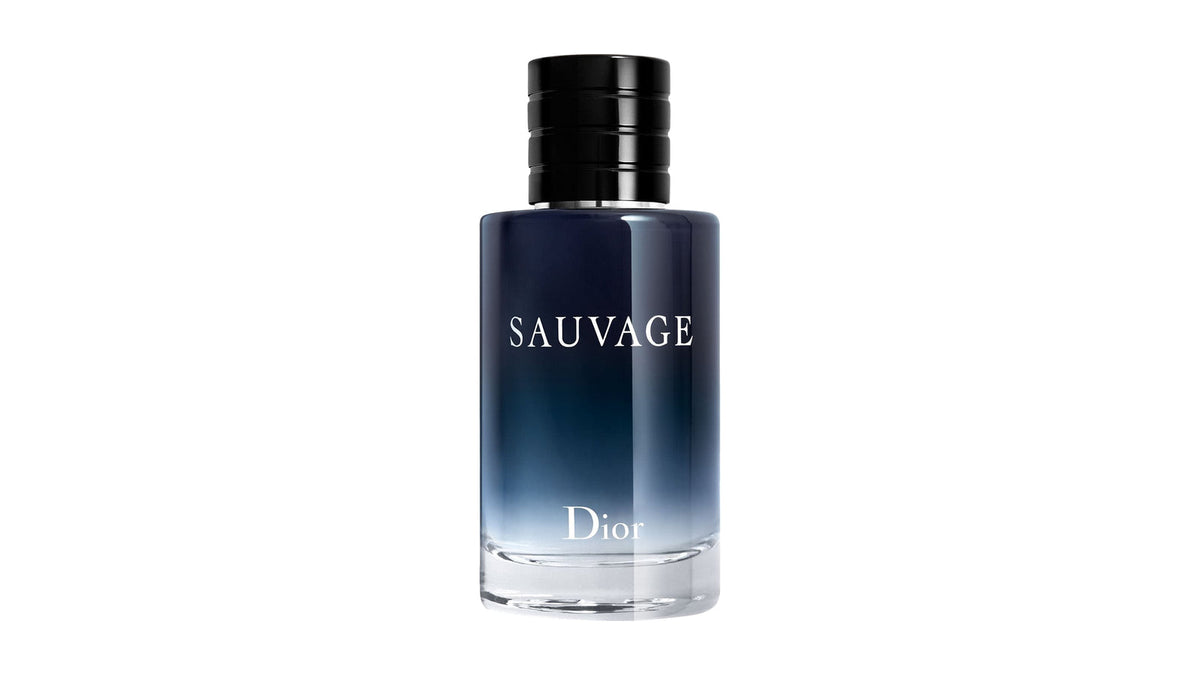
- Dior Sauvage offers a different kind of freshness, built on bergamot and ambroxan, not a substitute for the dry woodiness discussed here.
What it has in common with Terre d'Hermès
Terre d'Hermès was built by Jean-Claude Ellena around vetiver and a mineral freshness, without resorting to a sweet or powdery base. The stated pyramid for the original Eau de Toilette places orange and grapefruit in the opening, pepper, geranium leaf and flint in the heart, and patchouli, cedar, vetiver and benzoin in the base (source: Terre d'Hermès, Wikipedia); heart notes differ slightly between sources, so it’s best to stick with the version supported by the pyramid above rather than an exhaustive list.
Bois Impérial, the Essential Parfums fragrance created by Quentin Bisch in 2020, comes from the same woody-aromatic family: Haitian vetiver in the heart, and akigalawood, a woody note derived from patchouli, alongside Ambrofix and Georgywood in the base. Neither fragrance puts a sweet note in the foreground, so both come across as clean, suited to a workday or a summer day, rather than an evening in heavy clothes.
The Terre d'Hermès versions: EDT, Parfum, Eau Intense Vétiver
The original Eau de Toilette appeared in March 2006, and the Parfum, launched in 2009, was also created by Ellena, with the same basic olfactory structure (source: Terre d'Hermès, Wikipedia). Hermès does not publish the exact concentration percentages for its versions, so the difference between EDT and Parfum remains one of character and perceived intensity, not something you can read in figures; if you want a general explanation of the difference between eau de parfum and eau de toilette, here’s a guide devoted specifically to that distinction, and for the finer distinction between eau de parfum and parfum (extrait), this article goes into detail. Eau Intense Vétiver, launched in 2018, comes from Christine Nagel, the perfumer who took over the Hermès house after Ellena retired, and puts more emphasis on dense vetiver, while still retaining the same dry character, with no sweetness to soften it.

Where they differ: basil and Timut pepper versus orange and flint
The real difference between the two is not how strongly each projects, but what you get in the opening and how the base feels underneath. Terre d'Hermès opens with orange and grapefruit, supported by a mineral flint note that evokes stone warmed by the sun, not sweet fruit. Bois Impérial opens differently: Thai basil and Timut pepper, a variety of pepper from the Himalayan region whose smell is more reminiscent of citrus peel than of classic spice, give it an aromatic, not mineral, freshness.
Why Timut pepper matters
Timut pepper doesn’t have the bite of ordinary black pepper; its smell is closer to grapefruit peel and dry wood than to a classic spicy note, so in Bois Impérial it acts as a bridge between the freshness of the opening and the vetiver in the heart, rather than as a spicy contrast separate from the rest of the composition.
The difference deepens in the base. Terre d'Hermès has cedar, vetiver and benzoin, with a trace of patchouli, for a classic, relatively light base. Bois Impérial uses akigalawood, Ambrofix and Georgywood, more recent, resinous materials that create a somewhat denser base that stays on the skin longer than one built around a purely mineral note.
Who each one suits: the office, summer, warm days
If what you like about Terre d'Hermès is precisely its mineral and citrus side, classic and easy to wear in the morning, its profile remains the closest reference point, because Bois Impérial does not try to copy it but takes a different path to freshness. If, instead, you’re looking for dry woodiness with an extra layer of aromatic warmth, without veering into sweetness, the basil and Timut pepper in Bois Impérial offer a different, more niche texture, while the base stays resinous without becoming heavy. Both work well in summer and at the office, because neither has dense projection that would dominate a workday.
A different kind of freshness, if you want something else
If the freshness you’re looking for is different, built on bergamot and ambroxan rather than dry woodiness, Dior Sauvage remains a different reference point, not an alternative to Bois Impérial. For an in-depth comparison, including with Bleu de Chanel, see an article devoted specifically to this direction; here it gets only a brief mention, because the main subject is dry woodiness, not the usual citrus freshness.
How to try them side by side before buying a full bottle
The easiest way to find out whether you like the basil and Timut pepper in Bois Impérial more than the orange and flint in Terre d'Hermès is to actually wear it, not just read about the note pyramids. A 2 or 3 ml decant is enough for you to apply it for several days in a row, at the office or outdoors, and see how it behaves on your skin over the course of a full day; longevity and sillage remain a typical experience, dependent on skin, weather and amount applied, not a fixed promise. The size guide shows how many applications you usually get from a decant of each size, and if decants are new to you, the how-it-works page briefly explains how we fill and seal each bottle. If, after a few wears, you decide you want a full bottle, it’s worth knowing in advance when that step makes sense, and this guide goes into detail about choosing between a decant and a full bottle.
That way, you choose not by a list of notes read on a screen, but by how the perfume actually unfolds on your skin, which matters most when deciding whether Bois Impérial deserves a place alongside Terre d'Hermès in your collection.