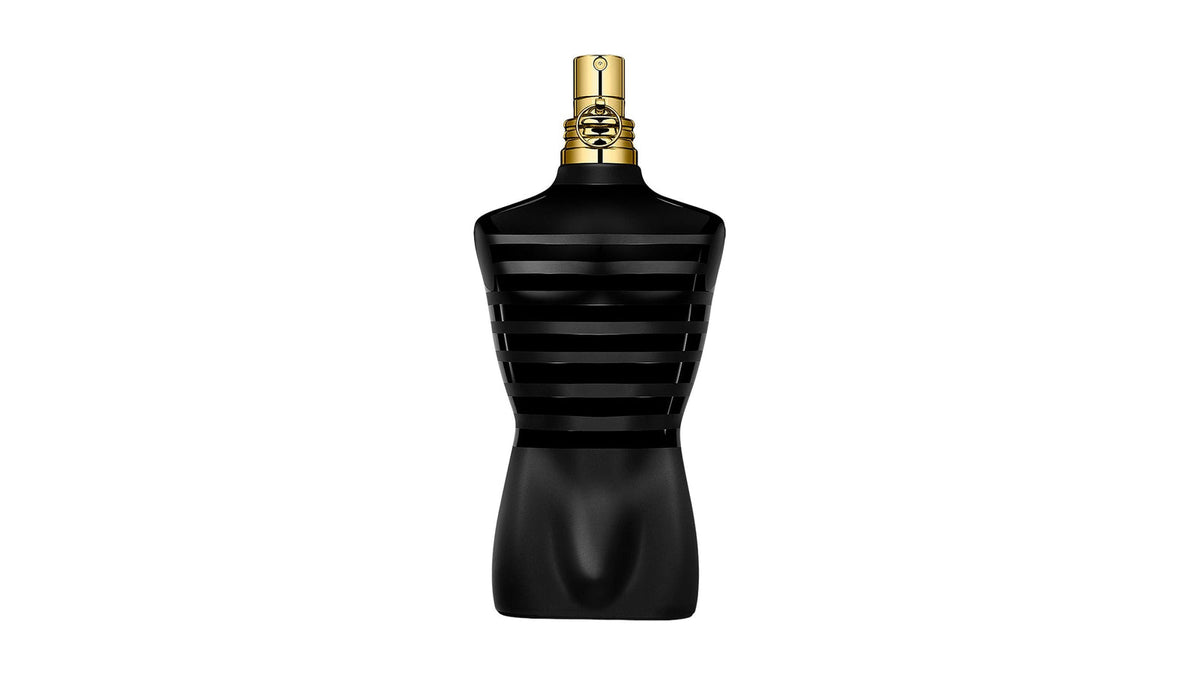
Perfume decanting means pouring a small amount from an original bottle, purchased with an invoice, into a new glass atomizer, without adding any alcohol, water or other liquid: what goes into the atomizer is the perfume from the original bottle, at the same concentration, just in a smaller quantity and sealed separately for you. The word “decant” comes from the world of wine and was adopted in perfumery to describe exactly this transfer from a large vessel to a small one.
- A decant is the original perfume, poured by hand into a new atomizer at the same concentration as in the bottle.
- Each atomizer is sealed and bears a label with an internal batch code, used for traceability, not as certification from the perfume house.
- You receive the atomizer in the size you choose; the perfume box and the original bottle it was poured from stay with us for other decants.
- A decant is neither a counter tester nor a free perfume sample offered by the perfume house.
What does the word “decant” actually mean?
The verb “to decant” describes, in its broadest sense, pouring a liquid from one vessel into another (source: Vocabulary.com). The best-known example comes from the world of wine: red wine is decanted so that the solid sediment that naturally forms over time stays in the old bottle, while the clear liquid goes into the decanter (source: Decantation — Wikipedia). The wine’s composition does not change in this process; it is simply separated from what you do not want to drink.
In the world of perfume, the same word has taken on a narrower meaning. There is no sediment to separate, and the aim is not filtration but transferring a small amount from a large bottle into a new, smaller container, kept exactly as it came from the manufacturer.
Where we start: the original bottle, purchased with an invoice
Every decant we sell starts with a full, original bottle, purchased with an invoice from authorized distributors. We do not work with unverified sources and do not sell imitations, clones or versions “inspired by” a well-known perfume: if a perfume appears in our catalog, it means it first existed as a full, authentic bottle that we purchased separately. You can read more about who we are on the about the store page.
We are an independent decant store; the perfume houses whose products we decant do not support us and have no direct connection to what we do. The connection between us and them is simple: we buy their original product and divide it into smaller quantities for those who want to try it before investing in a full bottle.
How a decant is actually poured
The process itself is simple to describe, even though each step requires care. A predetermined amount—2, 3, 5 or 10 ml—is poured by hand from the original bottle into a new glass atomizer that has never been used before. The perfume remains unchanged: what goes into the atomizer is exactly the liquid from the original bottle, at the same concentration. The “How it works” page details every step, from purchasing the bottle to dispatching the order.
A concrete example is more helpful than an abstract description. Amouage Guidance, launched by the house in 2023, is a unisex Eau de Parfum with pear and incense (olibanum) notes at the top, rose and sambac jasmine at the heart, and sandalwood and vanilla at the base. An Eau de Parfum concentration generally means greater intensity and longevity than an Eau de Toilette (source: Perfume — Wikipedia). When you buy an Amouage Guidance decant, you receive this perfume poured directly from the original bottle, with no changes to its composition.

The label and batch code: what are they actually for?
After filling, each atomizer receives a label with an internal batch code. The code links that decant to the original bottle it was poured from and shows, first and foremost, that the atomizer was sealed by us and had not been opened or used by anyone else before it reached you.
It is important to be clear about what this code means: it is for internal traceability and hygiene, not official certification. It is not a system validated by any perfume house, and it does not mean the product is approved or distributed directly by the manufacturer; it is simply how we internally track which bottle each atomizer came from.
Why a decant is neither a tester nor an official perfume sample from the house
The three options are easy to confuse, but they clearly differ in where they come from. A counter tester is usually an open bottle that dozens or hundreds of people have sprayed before you get to it. An official perfume sample from the house is a small amount packaged by the manufacturer itself, usually offered for free to promote a new perfume. Our decant is like neither: it is an amount poured by us from an original bottle purchased separately into a new atomizer, sealed especially for your order.
If you want to see how decants compare with other small formats available on the market, we have described separately perfume samples and other ways to try a perfume before buying a full bottle.
What you get and what you don’t get with a decant
When you order a decant, you receive the sealed atomizer, with its label and batch code, in the size you chose. The original perfume box and the bottle it was poured from stay with us because we prepare several decants from the same bottle, one after another, for other buyers.
If you are more interested in the physical design of the atomizer—what type of sprayer it has, how to clean it and how to store it long-term—we have written separately about that. Here, what matters most is what you receive as a perfume: if you like Guidance but also want to see how a perfume from a different olfactory family performs, a Xerjoff Erba Pura decant works the same way—poured from the original bottle, without changes, regardless of the house.

A decant helps you decide whether a perfume is worth investing in as a full bottle. It is intended as an intermediate step for trying a perfume, not as a permanent way to wear it over the long term.
Why sealing matters for perfume freshness
A perfume’s aromatic compounds can degrade if it is stored improperly, especially when exposed to heat, direct light and air; that is why the general recommendation is to keep it away from heat sources and strong light (source: Perfume — Wikipedia). A sealed, unopened atomizer limits exactly this exposure until the first time you open it.
The comparison with a tester is relevant here too: a bottle opened and sprayed by dozens of people beforehand has already been exposed to much more air than a freshly sealed decant. After you open the atomizer, the rule remains simple: keep it away from heat and direct sunlight so that the scent stays as close as possible to the one in the original bottle.
If you have specific questions about decants that do not fit into a general explanation of the term, the frequently asked questions page covers the most common situations. In practice, a 2 or 3 ml decant of Amouage Guidance remains a simple way to find out, directly on your skin, whether this is the kind of perfume you want to keep wearing.