Libre blends lavender, which you’ve probably encountered more often in men’s perfumes, with orange blossom, vanilla and musk, resulting in a floral perfume with character—not a sweet-fruity or classically powdery one. The way it develops on skin, from a fresh opening to a warm, woody base, is exactly what shows you whether its style suits you and what occasion it’s worth wearing it for.
- Lavender stays present throughout, but is accompanied by different notes at each stage, from blackcurrant in the first half hour to vanilla and musk towards evening.
- It belongs to the floral fougère family, a feminine version of an olfactory structure historically created mainly for men’s perfumes.
- It wears better in the evening and in cold weather than on a summer morning, because its sweet, woody base needs a little coolness so it doesn’t feel too heavy.
- A 2 ml or 3 ml decant is enough to find out whether you like this combination before considering a full bottle.
According to the information in our catalogue, the house classifies Libre as an Eau de Parfum in its designer line, created by perfumers Anne Flipo and Carlos Benaïm and launched in 2019. These are catalogue details, not the result of an independent check with a third-party retailer, but they accurately reflect what the house says about its own perfume.

What Libre smells like: lavender softened by orange blossom, vanilla and musk
Libre doesn’t stay still on skin. Lavender opens the perfume, but it’s never alone: in the first half hour, it’s accompanied by blackcurrant, and as the wear progresses, it passes by orange blossom and jasmine, before settling into a sweet, woody base at the end. If you judge it by the first sniff alone, you risk mislabelling it as a green or austere perfume, when in fact its final direction is warm and quite feminine.
The first few minutes: lavender, mandarin and blackcurrant
The opening pairs lavender with mandarin, blackcurrant and petitgrain—a fresh, slightly tart combination that’s closer to a citrus scent with herbs than to classic cosmetic lavender. It’s the shortest stage, but it also creates the first impression, so it’s worth letting it pass before drawing conclusions about the rest of the perfume.
After a few hours: orange blossom and jasmine
As the top notes fade, lavender returns, this time alongside orange blossom and jasmine. Orange blossom is a common raw material in perfumery precisely because of the way it complements floral notes without overpowering them (source: Wikipedia — Orange blossom), and that’s exactly what it does here: it keeps lavender company and takes it in a softer, more feminine direction.
The base: vanilla, musk, cedar and grey amber
Towards the end, Libre dries down to Madagascar vanilla, musk, cedar and grey amber. Vanilla is used in perfumery in small amounts precisely because its aroma is strong (source: Wikipedia — Vanilla), while the musk in today’s perfumes is almost entirely synthetic and serves to fix and prolong the longevity of the other notes (source: Wikipedia — Musk). Together, the two soften the lavender from the opening and make it smell sweet and woody rather than green, which explains why many reviews describe Libre as “warm” only after the first few hours of wear.
Why lavender is unusual in a women’s perfume
If lavender seems more “for men” than “for women” to you, there’s a concrete reason: it’s the note that defines the fougère family, a classic structure based on lavender, oakmoss and coumarin that has been especially popular in men’s perfumes since the late 19th century (source: Wikipedia — Fougère).
Libre belongs to the floral fougère family: it keeps the lavender from that structure but pairs it with floral and sweet notes, rather than dry woods and moss, as you would find in a classic men’s fougère. That’s why its lavender may sound familiar from men’s perfumes you’ve already smelled, but here it’s taken in a feminine direction rather than left on its own over an austere base.
Who it suits and when to wear it
Libre suits someone looking for a floral note with structure, not a classic sweet-fruity or powdery perfume; lavender and the woody base give it a certain solidity rather than a sweet first impression. It’s a perfume that takes a little time to appreciate all the way through, not one that wins you over instantly.
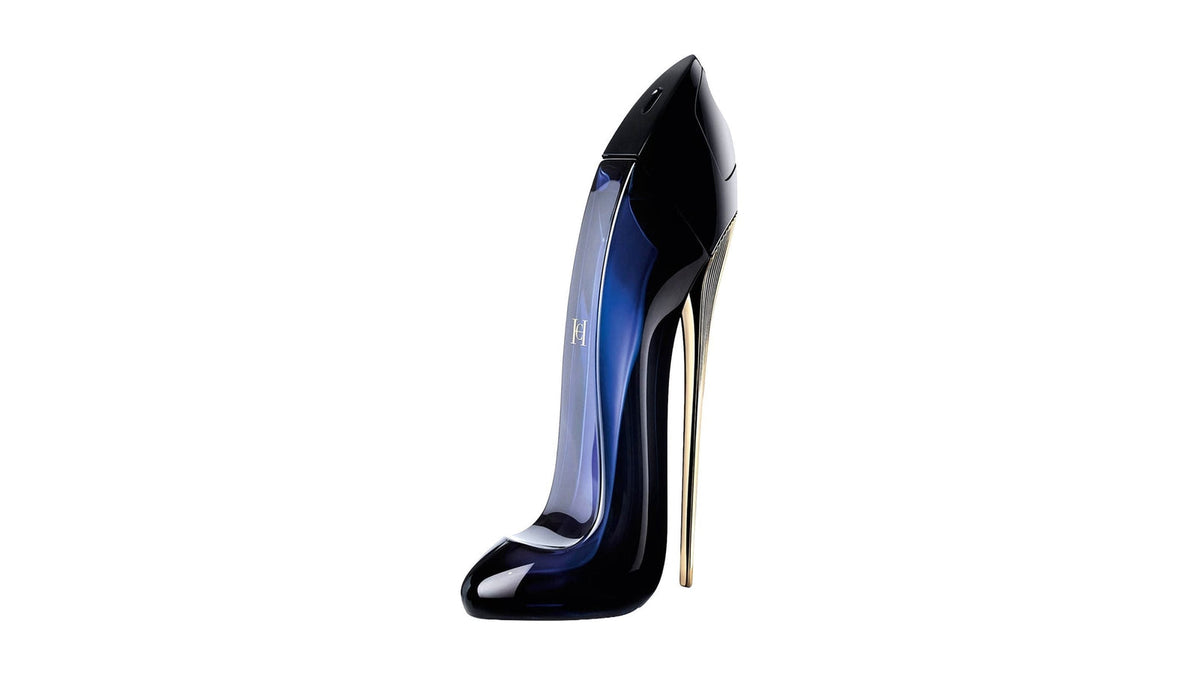
It wears better in the evening or in cold weather, when a musk and vanilla base feels comfortable, than on a warm summer morning, when it risks feeling too heavy for the setting. If, instead, you’re looking for something sweet and gourmand from the first sniff, Carolina Herrera Good Girl, with cacao and tonka in the foreground, offers a completely different direction, closer to a classic gourmand profile than a floral-woody one.
What Eau de Parfum means here and how far it projects
Libre is launched as an Eau de Parfum, which, in short, means a higher proportion of perfume oil than in an Eau de Toilette from the same line. How far it projects and how long it lasts on skin depend on your skin, the climate and the amount applied, not just the concentration; if you want the full explanations, with concrete examples for each, sillage, projection and longevity are explained separately.
How to try Libre without buying a full bottle
A 2 ml or 3 ml decant is enough for a few wears, so you can find out whether lavender softened by orange blossom and vanilla really suits you before investing in a full bottle. As a guide, 2 ml covers around 30 sprays, or about 10 days at 3 sprays a day, while 3 ml gives you around 45 sprays, or about 15 days at the same rate; our size guide shows the full figures for all options, so you can choose the right amount for you.
Our decants are hand-poured from original bottles, purchased with invoices from authorised distributors, into new atomisers that are sealed and labelled with an internal batch code. If you’d like details about what exactly an authentic perfume is and how to tell where it comes from, the dedicated article explains the process in detail.
If you discover that you prefer floral directions with character, like Libre, Her Favourites Set brings together several decants from the same olfactory family, which is useful if you want to compare several options before settling on just one.
Beyond its name and reputation, Libre comes down to personal taste: you’ll either like lavender softened by orange blossom and vanilla, or prefer another profile. A small decant is the most direct way to find out which camp you’re in, without the risk of a full bottle sitting unused in a drawer.