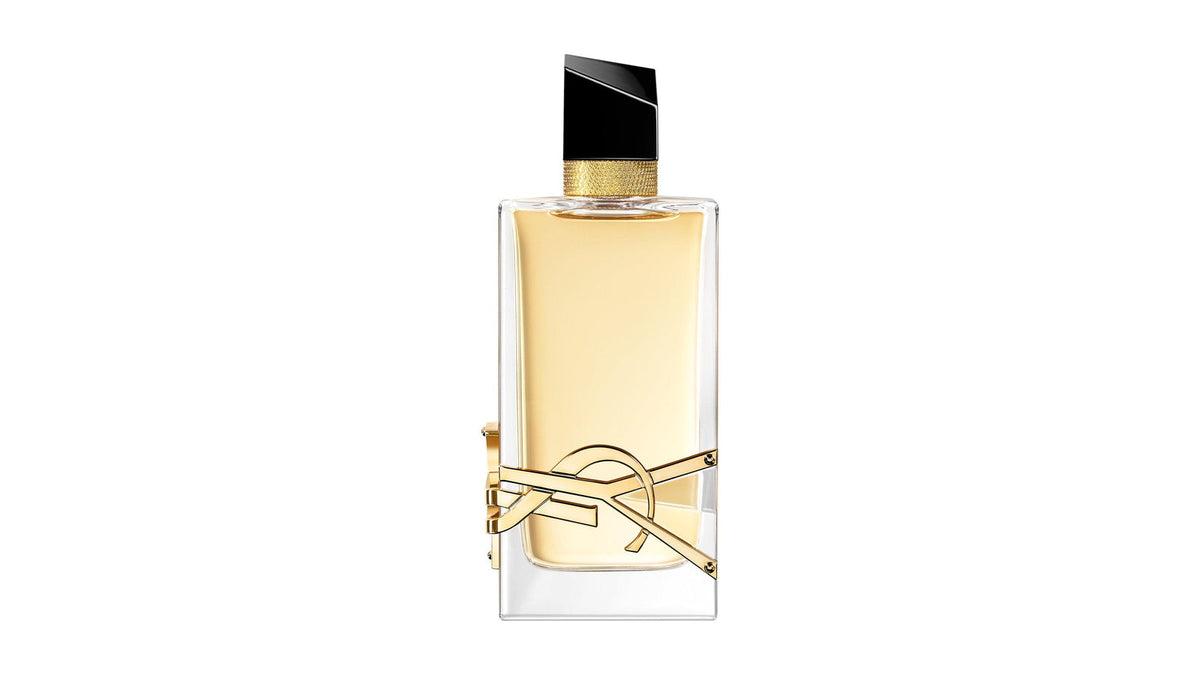
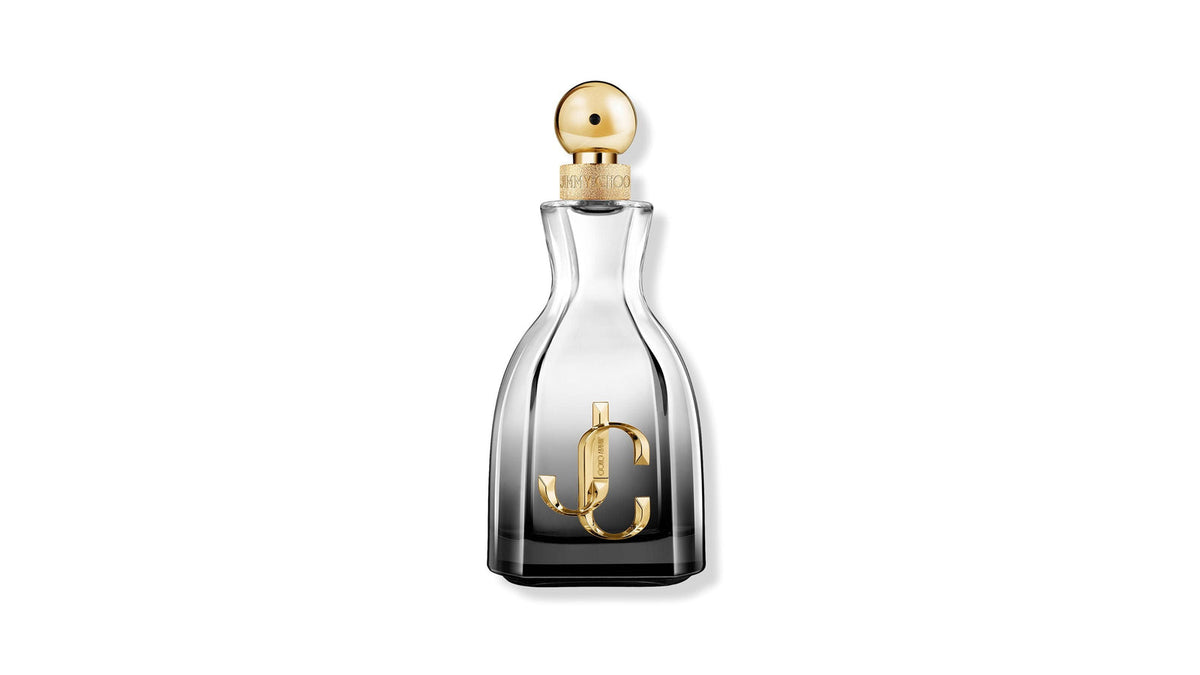
Tuberose is a white flower with an intense, fleshy and slightly creamy scent, and in perfumery its character depends almost entirely on the note that accompanies it: coffee and almonds soften it into a warm, gourmand accord, milk makes it even creamier, neroli brightens it with citrus freshness, and in a whole floral bouquet it becomes just one voice in a larger chorus. You’ll find all four versions in the catalog, so your choice depends more on how sweet, fresh or subtle you want it to feel on your skin than on how much intensity you’re willing to accept from a flower with this reputation.
- Tuberose is a flower native to Mexico, and its absolute is obtained through solvent extraction, not classic distillation, which also explains why it is one of the most expensive raw materials in perfumery.
- The note that accompanies it radically changes its character: from a warm accord with coffee and almonds, to a milky one, to a bright, citrusy one, and finally to a floral bouquet in which it is barely distinguishable.
- Because it changes so much during the first hour of wear, a 2 or 3 ml decant worn on your skin over several days remains the surest way to find out if it suits you.
What exactly is tuberose, and why does it have this reputation?
Tuberose (Polianthes tuberosa) is native to central and southern Mexico and, according to botanical research, no longer exists anywhere in the wild, most likely because it was domesticated as early as the Aztec period (source: Tuberose, Wikipedia). The plant needs about four months of warm temperatures from the time the rhizome is planted until it flowers, which explains why it remains a flower associated with warm climates and why its production cannot be rushed from one season to the next (source: Tuberose, Wikipedia). This entire slow, climate-dependent process is one reason the raw material remains expensive, and why a perfume with real tuberose generally costs more than one with a synthetic reconstruction of a white flower’s scent.
Why it isn’t distilled like lavender or rose
Unlike lavender or some varieties of rose, tuberose is not processed by classic distillation into an essential oil. The industry obtains a concrete from it, then an absolute through solvent extraction, using freshly picked flowers that have been carefully harvested (source: Tuberose Absolute, Mane Kancor Ingredients). The yield is low: more than 1,200 kg of tuberose buds are needed to obtain just 200 g of absolute, a ratio that explains why the raw material costs so much and why perfumes that use it generously are never cheap (source: Tuberose Absolute, Mane Kancor Ingredients). Producers describe the raw material as fleshy and creamy, with a trace of camphor right at the opening, followed by damp earth and mushroom nuances at full bloom, and finally, as the flower wilts, heavier tones that are almost putrid (source: Tuberose Absolute, Mane Kancor Ingredients). A good perfumer works precisely with this broad range of facets, preserving the fleshy, creamy side and balancing it with the surrounding notes, so the flower remains recognizable without becoming heavy.
Four faces of the same white flower in the perfumes in our store
Beyond the raw material itself, what you smell on your skin depends on the company the perfumer gives it. The same tuberose can be read as a warm dessert, a milky cream, a fresh flower brightened by citrus, or a single voice in a broader floral chorus. The four perfumes below all feature tuberose at their heart, but take it in very different directions.
Carolina Herrera Good Girl — coffee and almonds soften it
In Good Girl, launched in 2016 by perfumers Louise Turner and Quentin Bisch, tuberose joins jasmine sambac, iris, orange blossom and Bulgarian rose in a floral heart. But the first impression comes from almonds, coffee, bergamot and lemon in the top notes, while a base of tonka beans, cocoa, vanilla, praline, sandalwood and patchouli places it firmly in gourmand territory. Coffee and cocoa are the notes that soften tuberose most here, bringing it closer to a sweet latte than to a raw flower; if you want to understand exactly what coffee and cocoa notes bring to a perfume, the article about chocolate and coffee perfumes goes into detail on the subject.

Liquides Imaginaires Blanche Bête — tuberose’s milky side
Blanche Bête, launched in 2021, is also by Louise Turner, the perfumer behind Good Girl’s floral heart, but here the direction is completely different: top notes of milk, ambrette and mystikal open the way to a heart of tuberose, jasmine and incense, while the base of vanilla, musk, tonka beans and cocoa stays subtle without overpowering the flower. The result is a tuberose closer to the raw material than to a dessert, creamy in texture rather than sweet, making this the one to choose if you want the flower’s milky side without turning it into a truly gourmand perfume.

Giorgio Armani My Way Floral — tuberose brightened by neroli and citrus
The perfume’s official page describes a heart in which tuberose absolute from Mysore, India, is “magnified” by neroli oil from Tunisia, over top notes of orange blossom from Egypt and green mandarin from Italy, with a base of Bourbon vanilla from Madagascar and white musk (source: My Way Floral, official Armani Beauty page). An independent database confirms the same construction, with Indian tuberose and Tunisian neroli in the heart (source: My Way Floral, Fragrantica). Neroli is the note that opens up and brightens the tuberose in My Way Floral, giving it a fresh, citrusy facet that you won’t find in Good Girl or Blanche Bête; if you want to understand what neroli brings as a standalone note, the dedicated article explains exactly that.

Dior J'adore — tuberose tucked into a whole bouquet
Dior’s official page describes J'adore as “a perfectly balanced floral bouquet in which no note dominates another”, built around an accord of ylang-ylang and Damascus rose, complemented by jasmine grandiflorum and jasmine sambac, without explicitly naming tuberose in the description (source: J'adore Eau de Parfum, official Dior page). However, an independent technical database lists tuberose in its heart, alongside jasmine, lily of the valley, freesia, rose, orchid, violet and plum, over top notes of pear, melon, magnolia, peach, mandarin and bergamot (source: J'adore, Fragrantica). The difference doesn’t mean that one source is wrong: the house’s marketing copy chooses to talk about accords and the overall impression, while a technical database lists every identified raw material. In J'adore, tuberose is no longer the main voice, but one of many white and pink flowers that make up the bouquet, which is why it is the most subtle of the four.

How to try a bold flower without buying a full bottle
Tuberose changes a lot during the first hour after application: greener or more camphoraceous facets can stand out at first, and only once the perfume settles on your skin do you really notice the creamy or milky character that gave it its reputation. For this reason, it’s worth testing directly on your skin, not just on paper, and wearing it for several hours before drawing a conclusion. A 2 or 3 ml decant is enough for several applications, giving you enough chances to wear the perfume on different days and in different settings before deciding whether you want a full bottle. If you have sensitive skin, testing it on a small area, such as the inside of your forearm, makes sense especially because of the alcohol and declared allergens found in any perfume, not just one with tuberose; if a reaction occurs, stop applying it and, in case of real discomfort, seek medical advice.
How to choose between the four, depending on what you’re looking for
If you want a warmer, more gourmand tuberose that feels comfortable even on first encounter, the coffee and almonds in Good Girl bring it closer to a sweet latte and make it the most approachable of the four. If you prefer something milkier, but without the pronounced sweetness of a classic vanilla, Blanche Bête stays closer to the raw flower and its creamy texture. If you want freshness and a citrusy facet alongside tuberose, the neroli in My Way Floral opens it up instead of making it heavier, making it the right choice for anyone who feared tuberose was always heavy. And if you prefer a balanced floral bouquet in which tuberose is just one voice in a larger ensemble, not the undisputed soloist, J'adore remains the more subtle choice. For a broader picture of the white flowers and bouquets in the catalog, the article about floral perfumes puts these four options in context.
Real-world performance — how long the scent lasts, how much people around you notice it, how many compliments you receive — depends on your skin, the weather and how many sprays you apply, so none of the four versions can be promised to last for a set amount of time; what you can check, instead, is whether the scent profile suits you. If tuberose sounds interesting but you don’t want to risk buying a full bottle of a flower with this reputation, a 2 or 3 ml decant of any of the four perfumes is enough to find out over a few days whether it suits you.