When you look for French perfumes for women, you probably already have an idea of what the label means, but you don't know exactly what you should be checking: the house’s headquarters, the perfumer’s nationality, or simply a name that sounds good in French. A perfume is truly French when the house that created it is based in France and was founded or is led by a French perfumer—not because its name evokes Paris on the label. Below, you’ll find concrete criteria you can use to check a house’s origins for yourself, followed by eight perfumes from our catalog, from major designer houses and smaller niche houses, all confirmed to be based in France.
- The house’s headquarters - the official address and company history, not just the marketing name.
- The founder or lead perfumer - who created the perfume and where they trained professionally.
- The French perfumery tradition - a historical reference point such as Grasse, useful for context but not a requirement for every individual perfume.
What does a French perfume actually mean?
The first thing to check is the house’s headquarters. A house whose offices and production are managed from Paris or its surroundings, such as Neuilly-sur-Seine, where Parfums Christian Dior, part of the LVMH group, is now based, has its French origins in the company’s records, not just in its brand name (source: Parfums Christian Dior - Wikipedia). The second criterion is who founded the house or leads its olfactory creations: a French perfumer or French creative team carries more weight than an elegant logo. Grasse, a city in southern France known as a historic center of perfumery, is a useful reference point when you want to understand the tradition behind a house, but not all French perfumes pass through Grasse, nor do they need to in order to be authentically French.
It’s important to remember that “French” describes a verifiable origin, not a guarantee of superior quality compared with an Italian, British or American house. A French house can be just as successful or just as questionable as one from another country; the difference lies in the composition, the raw materials and the way the perfumer has assembled them, not in the company’s passport. That’s why, in the following sections, we check exactly what makes each of these eight perfumes French instead of simply assuming it from the name.
Eight perfumes for women from French houses
The list below brings together major designer houses, with decades of history and wide distribution, and smaller, more recent niche houses that are just as French in terms of their headquarters and founders. The olfactory notes mentioned come from the houses’ own descriptions or from our store’s catalog, not from an independent laboratory analysis.
Dior J'adore

J'adore belongs to Parfums Christian Dior, the perfumery and cosmetics division of the Christian Dior house, based in Neuilly-sur-Seine, near Paris (source: Parfums Christian Dior - Wikipedia). Launched in 1999 with Calice Becker as its perfumer, J'adore is classified as a fruity floral: the house lists pear, melon, magnolia and bergamot among its top notes, followed by an accord of ylang-ylang, Damask rose and jasmine at the heart, with musk, vanilla and cedar warming the base. It’s an easy-to-recognize designer perfume, suitable for anyone looking for a classic first encounter with a major French house. You can read more about the Dior J'adore decant and the available sizes.
Lancôme La Vie Est Belle

Lancôme was founded in France in 1935 by Guillaume d'Ornano and Armand Petitjean, and has been part of the French L'Oréal group, also based in Paris, since 1964 (source: Lancôme - Wikipedia). As one of the longest-established houses on this list, it has an olfactory identity already familiar to the general public, so if you want a safe first step into a French house with a tradition spanning almost a century, La Vie Est Belle is a good place to start.
Yves Saint Laurent Libre

The Yves Saint Laurent house is based in Paris and was founded in the early 1960s by Yves Saint Laurent and Pierre Bergé; sources differ on whether the exact founding date was 1961 or 1962 (source: Yves Saint Laurent (brand) - Wikipedia). Coming from a couture fashion house, its perfume line inherits the same French luxury positioning, and Libre is one of its more recent and better-known launches for women.
Jean Paul Gaultier Divine

Jean Paul Gaultier is a French designer born in Arcueil, near Paris; he launched his fashion label in 1982 and his perfume line in 1993 (source: Jean Paul Gaultier - Wikipedia). The house is known for bottles with a strong visual identity, and Divine continues that line of distinctive French designer creations, suited to anyone looking for something bolder than a classic floral.
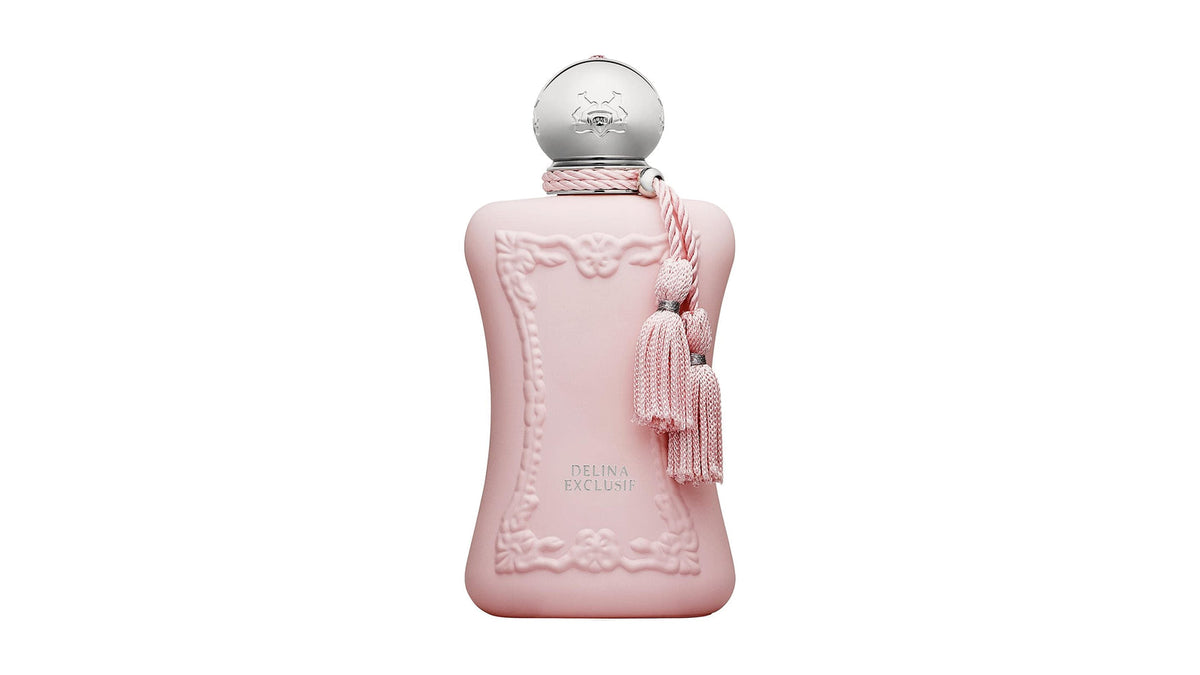
Parfums de Marly Delina Exclusif

Parfums de Marly was founded in 2009 by Julien Sprecher and describes itself as a French niche perfumery house based in Paris, at 17 rue de la Paix (sources: Parfums de Marly - Wikipedia, Parfums de Marly - official website). Although it’s younger than Dior or Lancôme, it is just as French in terms of its headquarters and founder; the difference lies not in its origins, but in its smaller production runs and niche positioning, with more expensive bottles and more limited distribution.
Maison Francis Kurkdjian Baccarat Rouge 540

Francis Kurkdjian, a French perfumer born in Paris in 1969, co-founded Maison Francis Kurkdjian in 2009 with Marc Chaya, near Place Vendôme in Paris itself (source: Francis Kurkdjian - Wikipedia). Over the years, Baccarat Rouge 540 has become one of the most talked-about niche launches of the past decade, bringing it to a much wider audience than a typical niche house; it remains, however, a creation from a French house that is small in structure, not a designer house with mass distribution.
Maison Crivelli Hibiscus Mahajád

Maison Crivelli lists its headquarters at 280 rue Saint Honoré in Paris on its own website and describes the house as having been born “under the vision of a visionary founder,” without publicly specifying the exact year it was founded or the founder’s name (source: Maison Crivelli - official website). This example shows clearly that not every niche house has a founding story as well documented as Dior’s or Lancôme’s; what you can reliably verify here is its Paris address, not a complete timeline, and that is enough to confirm its French origins.
Liquides Imaginaires Blanche Bête

Liquides Imaginaires describes itself on its own website as “a French artistic brand,” founded by Philippe Di Méo (source: Liquides Imaginaires - About). Its positioning is more conceptual and artistic than commercial, making it a good fit for the kind of perfume you choose when you want a less familiar composition, not necessarily the best-known house in France.
Designer or niche: how to choose between them
All eight houses above are French in terms of their headquarters and founder or perfumer, whether they are designer or niche houses; the difference between them lies in their business models, not their nationality. Designer houses such as Dior, Lancôme, Yves Saint Laurent and Jean Paul Gaultier have wide distribution and bottles you can try in many physical perfume shops, making them a safer starting point if you’re still developing your tastes. Niche houses such as Parfums de Marly, Maison Francis Kurkdjian, Maison Crivelli and Liquides Imaginaires produce smaller runs, with often more expensive raw materials and more unusual compositions, but that does not make them any more or less French than a designer house selling millions of bottles a year.
A bottle’s price or rarity says something about a house’s commercial positioning, not how French it is. If you want to explore the niche option first, you can continue with our selection of niche perfumes for women. For other French or international designer houses beyond the eight discussed here, you can browse the Designer perfumes collection or, for niche perfumes, the Niche perfumes collection in our catalog.
Why it’s worth starting with a decant
A 2 or 3 ml decant is enough to wear a perfume on your own skin for a few days, in real-life conditions, rather than just smelling it on a test strip in a shop. For any of the eight perfumes above, you can choose a small decant and check for yourself how it develops on your skin over the course of a full day, something a few seconds of trying it in a shop can’t show you. What’s more, you can keep two or three French perfumes in rotation during the same week, wearing them on different days, and compare them directly without having already bought a full bottle of each.
The sizes and estimated wear times for each decant option are explained in our size guide. And if you want to understand exactly how the decanting process works, from the original bottle to the sealed atomizer you receive, you’ll find all the steps explained there. If, instead, you’re looking for a broader selection of women’s perfumes organized by scent type rather than necessarily by French origin, you can also browse our wider selection of perfumes for women. And if you’re interested in perfumes considered international benchmarks, including some French ones, we’ve brought together their background in our article about the world’s best-known perfumes.
Frequently asked questions about French perfumes
Are your decants of these perfumes authentic?
Yes. Decants are poured by hand from original bottles purchased with an invoice from authorized distributors, into new, sealed atomizers labeled with an internal batch code. They are not official testers, samples supplied by perfume houses, or small bottles produced by the brands, and none of the houses listed above has any commercial relationship with our store; we simply use their original bottles, which we buy like anyone else.
How can I check for myself whether a house is truly French and not just using a French-sounding name?
Look for the company’s official headquarters, usually visible in the footer of the house’s website or in the company’s public documents, and the name of the founder or lead perfumer, generally mentioned on the house’s “About us” page or in independent sources such as a recognized encyclopedia. A French-sounding name, without a verifiable address or founder behind it, is not enough proof; the actual headquarters and company history are what count, not how the name sounds.