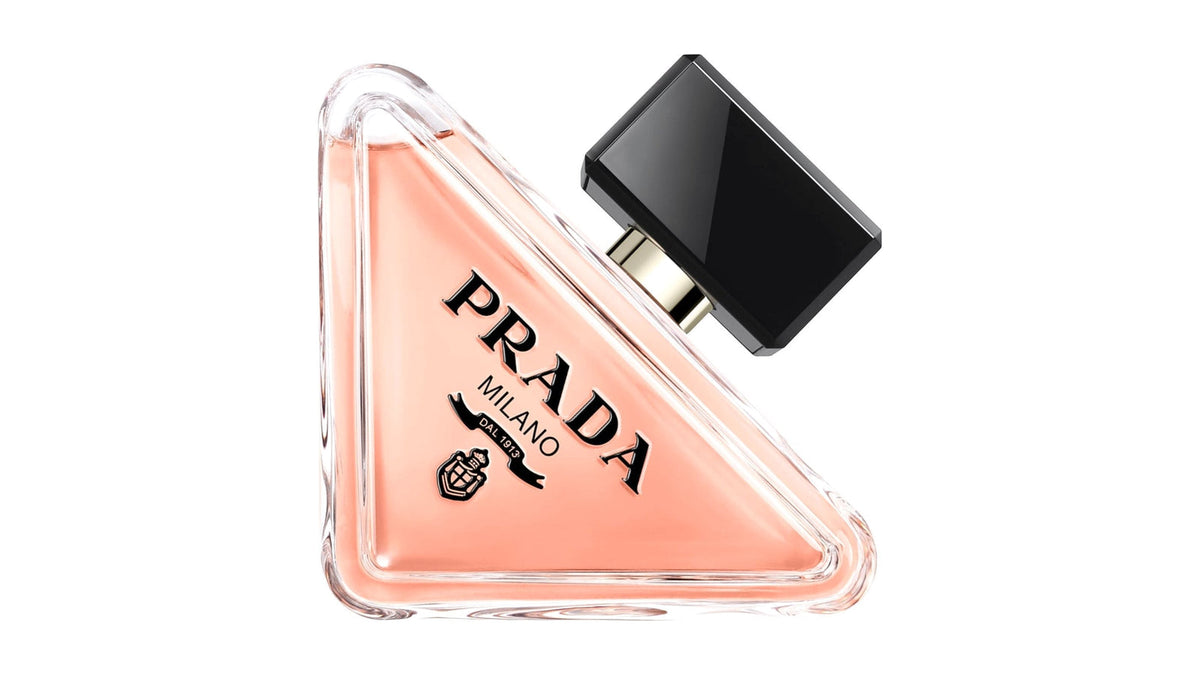
If you’ve already bought a perfume or want to buy one from a seller you don’t know very well, you can go through a checklist to help you spot whether something is wrong: the box and cellophane, the batch code, the bottle and sprayer, and then the source you’re buying from. No single sign is definitive proof, but several clues together can show you quite clearly whether it’s worth going ahead or looking for another source.
- The box: thick cardboard doesn’t bend easily when pressed, the printing is clear and high-resolution, and the cellophane fits the box perfectly.
- The batch code should be identical on the box and bottle; a missing, erased or different code on the two is a serious warning sign, not just a cosmetic detail.
- An original bottle is heavy and balanced in your hand, and the sprayer produces a fine, even mist—not splashes or a sputtering stream of liquid.
- Who you buy from often matters more than any packaging detail: an authorized distributor, an invoice and a reputation you can verify.
The box: cardboard, printing and cellophane
The first set of checks doesn’t require you to open anything. It involves looking at the box exactly as you received it and comparing its details with what you already know about the brand.
Cardboard and printing
Press gently on a side panel of the box. Thick, rigid cardboard on an original box keeps its shape under moderate pressure, while a counterfeit box made from thinner cardboard bends visibly (source: 7 signs that perfume packaging is counterfeit). Then look at the printing: the text should be clear and high-resolution, with no spelling mistakes or fonts that look noticeably different from those you see on the brand’s official channels, and the ink should withstand a light scratch rather than rub off when touched. Also check whether the ingredient list (INCI) and concentration—EDT or EDP—are correctly shown on the box; their absence or unusual wording adds to the list of warning signs, even though, by itself, it doesn’t automatically mean the perfume is fake.
Cellophane and barcode
The original cellophane fits the box perfectly without slipping under your fingers, and the heat-sealed seam is straight and narrow, usually under 5 millimetres, with no visible glue marks. The barcode is usually at the bottom of the back of the box or on its base, not on a side, and is printed clearly and evenly. If you find it in an unusual place or it looks smudged or pixelated, add it to the list of warning signs, even though, on its own, it doesn’t prove anything definitively.
The batch code: what it tells you and what it doesn’t
A batch code is a short, usually alphanumeric string applied by inkjet printing, stamping, laser engraving or embossing. It’s usually found on both the base of the bottle and the box—sometimes on a side flap or on the back (source: How to identify counterfeit perfumes using batch codes). Its length and format vary quite a bit from one brand to another, so don’t rely on a fixed number of characters; what matters more is whether you can find one at all and whether it looks the same on both items.
The code on the bottle should be identical to the one on the box. A different, missing or erased code, or one written by hand instead of engraved or stamped, is considered a major warning sign because it could mean the packaging and bottle come from different batches. However, a code that looks “valid” at first glance doesn’t prove on its own that the perfume is genuine: read it alongside the other signs in this article, not instead of them. For more detail on exactly what the numbers and letters in a batch code mean and how to check it online, including the real limitations of those free tools, see our article dedicated to perfume batch codes.
The bottle and sprayer
Once out of the box, the bottle tells its own story. The glass on an original is thick and has a noticeable weight in your hand; an unusually light bottle or one with thin walls deserves extra attention. The spray tube, visible through the neck of the bottle, is thin and almost imperceptible on an original; a thick, long or visibly bent tube is common in counterfeit products (source: Identifying counterfeit perfumes: packaging versus bottle).
The logo tells you a lot by touch, not just by sight: an engraved or stamped logo has precise edges you can feel under your finger, while one that is merely painted or carelessly applied feels flat or uneven. The original cap fits precisely and clicks clearly into place; if it moves, doesn’t align properly or seems fragile, that’s another warning sign. Finally, test the sprayer: an original produces a fine, even mist, while a mechanism that sputters, leaks around the edge or sprays unevenly doesn’t behave like an original.
Who you buy from matters at least as much as the item itself
All the signs above relate to the item. Who you buy from is just as important. Check whether the seller appears on the list of authorized retailers published on the brand’s official website; on marketplaces, look carefully at who sells the product and who actually ships it, because these can be different entities (source: Warning signs when buying perfume online).
A price far below the recommended retail price is a warning sign, not a guarantee that the product is fake—many legitimate stores offer real discounts. However, a discount well beyond the usual range offered by reputable sellers, roughly 15–35%, is worth checking further before you buy; it’s a reference point, not a universal rule. Reputation matters too: a company name you can look up, a real address and consistent reviews tell you more than one enthusiastic comment, while repeated reviews mentioning an unusual smell, poor longevity or damaged packaging—as well as a complete absence of any negative reviews—are reasons for extra caution.
A reputable seller will answer directly if you ask for a clear photo of the batch code and explain their returns policy; consistent reluctance to answer such questions often says more than any answer could.
We buy full bottles with an invoice from authorized distributors and manually decant the perfume into new, sealed atomizers labelled with our own internal batch code, exactly as we explain on our About us and How it works pages. This doesn’t replace the checks above—it simply explains why you can trace the source of every decant we sell.

For example, the Dior J'adore decant in our catalogue is poured this way, with our internal code visible on the label. If you’d like to explore other options in the same category, you can browse our designer perfumes.
What to do if you’re still unsure
If you’re still unsure after all these checks, you can contact the brand’s customer service directly with the batch code and a few clear photos of the box and bottle; many manufacturers confirm batches on request. Testing it on your skin adds another useful piece of information: a fake perfume often changes smell abruptly in the first few minutes, then fades quickly or leaves mostly an alcohol smell, while an original develops more gradually over a few hours.
A decant poured from an original bottle purchased with an invoice, with our internal code on the label, gives you the opportunity to try the perfume under clear conditions over the course of a few days before deciding whether you want a full bottle from a source you still verify. If you have more questions about orders or our products, you’ll find them on our frequently asked questions page.